
How To
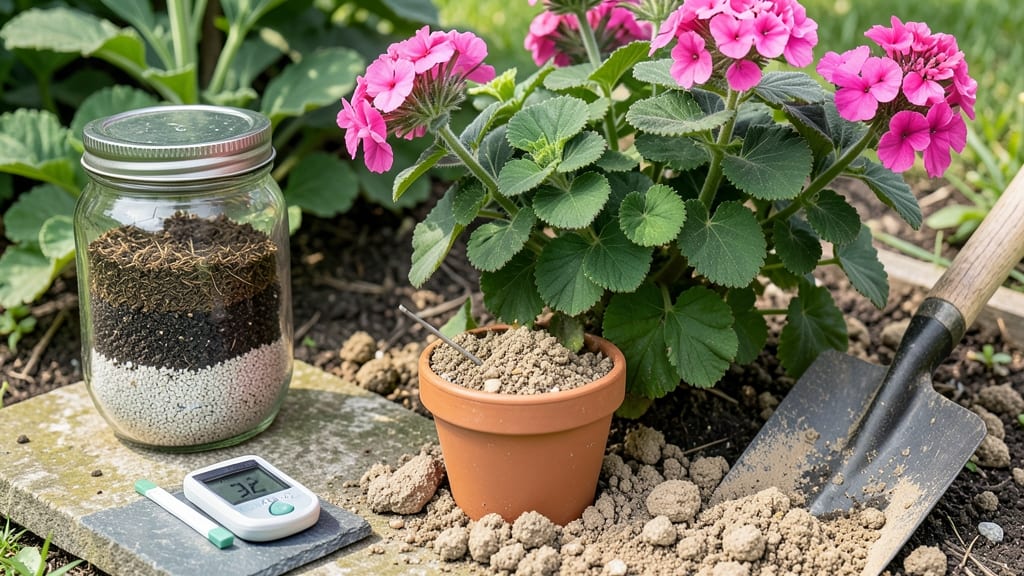
Pelargoniums beg for the right soil—too much moisture and they sulk with yellow leaves. 🌱 The secret to their vibrant blooms starts with a well-draining, slightly acidic mix that mimics their South African roots.
I’ve learned the hard way: heavy clay or soggy soil will drown these thirsty plants before they even show their colors. Most garden soils are too dense, so you’ll need to amend with coarse sand, perlite, or pumice to create air pockets.
A simple blend of 60% potting mix, 30% perlite, and 10% compost works wonders for containers, while in-ground plantings need raised beds or mounds to prevent waterlogging. The goal? Soil that drains in 10-15 minutes after watering—never leave them sitting in saucers of water.
You’ll know you’ve nailed it when your pelargoniums burst into bold reds, pinks, and whites by early summer, with foliage that stays crisp instead of wilting.
The key is consistency: these plants reward good drainage with months of nonstop blooms, but they’ll throw a tantrum if their roots stay wet. For containers, repot every 1-2 years to refresh the mix, and avoid fertilizing until new growth appears in spring. In-ground plants?
Mulch heavily to keep roots cool and moisture balanced. Trust me—once you master this, your pelargoniums will outshine every neighbor’s patio plants.
📚 In This Guide
- What you need
- Instructions
- Tips and common mistakes
- Wrapping up and next steps
What you need
- ● Potting soil (base): 50% high-quality, peat-based or coconut coir potting mix (2 parts). Look for mixes labeled "well-draining" or "for succulents/container plants."
- ● Perlite or pumice: 20% (1 part) – adds aeration and prevents compaction. Use 1/4- to 1/2-inch granules.
- ● Sand (coarse or horticultural): 20% (1 part) – improves drainage. Avoid fine sand; opt for builder’s sand or sharp sand.
- ● Compost or worm castings: 10% (½ part) – adds nutrients without heaviness. Use well-aged compost to avoid disease.
- ○ Lime (optional, for pH adjustment): Only if your soil is too acidic (pelargoniums prefer pH 6.0–6.5). Use pelargonium-specific lime (e.g., dolomitic lime) sparingly.
- ● Large mixing container (e.g., wheelbarrow or clean plastic bin).
- ● Gloves (to protect hands from grit and soil).
- ● Measuring tools (e.g., buckets or marked containers for precise ratios).
- ○ pH testing kit (optional but helpful for monitoring soil acidity).
- ● Trowel or small shovel (for blending materials).
- ● 🌡️ Avoid clay soil: Pelargoniums hate soggy roots—never use garden soil alone!
- ● ✨ Sterilize materials: If reusing containers or soil, bake them at 200°F (93°C) for 30 minutes to kill pests.
- ● 🔥 Test your mix: Pack a handful—if water runs through easily, it’s ready!
How to create the perfect soil mix for pelargoniums
Pelargoniums thrive when their roots stay happy and dry—here’s how to mix soil that keeps them blooming all season.
🌱 Step 1: Start with a Base of Quality Potting Soil
Use a lightweight, well-draining potting mix as your foundation—never garden soil or heavy blends. I like to begin with 2 parts premium potting mix (like a peat-based or coco coir blend) because it holds moisture without suffocating roots. This base ensures your pelargoniums get the nutrients they need while preventing compaction.
Fluff the mix with your hands to break up any clumps. You want it airy, almost like crumbled cake—this prevents water from pooling around delicate roots. If your mix feels dense, add 1 part perlite or coarse sand to improve aeration right away. Pelargoniums hate soggy feet, and this step is your first defense against root rot.
💧 Step 2: Add Organic Matter for Nutrients and Structure
Mix in 1 part compost or worm castings to feed your pelargoniums without overwhelming them. I use well-aged compost (never fresh) to avoid burning roots with high nitrogen. This boosts nutrients while keeping the mix loose—pelargoniums prefer soil that’s fertile but not heavy.
Work the compost into the potting mix until it’s evenly distributed. You’ll notice the soil darken slightly and smell earthy—this is your cue it’s ready. If the mix feels too gritty, add a handful of orchid bark or coconut coir to retain moisture without compacting. The goal? A blend that holds water like a sponge but drains like a sieve.
✂️ Step 3: Adjust for Acidic pH (If Needed)
Pelargoniums prefer slightly acidic to neutral soil (pH 6.0–7.0). If your tap water is alkaline or your potting mix tests high, add 1 tablespoon of sulfur per gallon of mix to lower pH gradually. I test my mix with a simple pH kit—if it reads above 7.0, I’ll add sulfur and remix until it stabilizes.
For a quick fix, mix in 1 part peat moss (which naturally acidifies) or a handful of pine bark fines. Avoid overdoing it—pelargoniums aren’t fussy about acidity, but they will struggle in alkaline soil. A pH of 6.5 is ideal for vibrant blooms, so aim for that sweet spot.
☀️ Step 4: Test Drainage Before Planting
Fill a container with your mixed soil and pour water over it. If water pools on top or drips slowly for more than 10 minutes, add more perlite or coarse sand to speed up drainage. The mix should feel damp but not wet—like a wrung-out sponge. Pelargoniums despise soggy roots, so this step is non-negotiable.
Let the soil dry slightly between waterings. Stick your finger 1 inch deep—if it’s damp but not soggy, you’re golden. Overwatering is the #1 killer of pelargoniums, and a well-draining mix prevents that. Once your soil passes this test, it’s ready for your plants.
🪴 Step 5: Plant and Maintain for Long-Lasting Blooms
Fill your pot with the mixed soil, leaving 1 inch at the top for watering. Plant your pelargonium, firm the soil gently around the base, and water lightly to settle it. Place the pot in bright, indirect light for the first week—this helps roots establish without stress.
After planting, water only when the top inch of soil feels dry. Pelargoniums are drought-tolerant once established, but they’ll reward you with bold, vibrant blooms if you keep their roots happy. Deadhead spent flowers regularly to encourage more blooms—this simple step keeps your pelargonium looking its best all season.
Tips & tricks for perfect pelargonium soil mix
Here's what nobody tells you about creating the ideal foundation for pelargoniums that'll have them blooming like crazy.
Mix Ratio Matters: Stick to the exact 2:1 ratio of premium potting mix to perlite/sand in Step 1—this creates the perfect balance of moisture retention and drainage. I've found that using 1 part perlite works better than sand because it stays light and doesn't compact over time. The goal is that airy texture, like crumbled cake, so roots can breathe while still holding enough moisture.
Compost Selection Tip: In Step 2, when adding compost, choose well-aged compost that looks dark and crumbly—not fresh, green compost that smells strong. Fresh compost can burn delicate pelargonium roots with its high nitrogen content. I like to use worm castings for a gentler, more nutrient-dense option that won't overwhelm the soil.
pH Testing Hack: For Step 3, don't guess about your soil's acidity—get a simple pH test kit. I've seen mixes that looked perfect but were actually too alkaline, causing yellow leaves. If your mix tests at 7.0 or above, add sulfur gradually (1 tablespoon per gallon) and remix until you hit that ideal 6.5 pH. Remember, you can always add more sulfur to lower pH, but you can't remove it once it's there.
Drainage Test Shortcut: The 10-minute drainage test in Step 4 is your best friend. If water drains too slowly, add more perlite or coarse sand in small increments—don't dump it all in at once. I like to test the mix in a small container first before committing to a full pot. The soil should feel like a wrung-out sponge: damp but not dripping, with no standing water.
Pro Tips for Soil For Pelargoniums
- Here's what nobody tells you about creating the ideal foundation for pelargoniums that'll have them blooming like crazy.
- Mix Ratio Matters: Stick to the exact 2:1 ratio of premium potting mix to perlite/sand in Step 1—this creates the perfect balance of moisture retention and drainage.
- Compost Selection Tip: In Step 2, when adding compost, choose well-aged compost that looks dark and crumbly—not fresh, green compost that smells strong.
Frequently asked questions
Got questions about the perfect soil for your pelargoniums? You’re in the right place!
Here are answers to the most common queries—from beginners to seasoned growers—to help your geraniums thrive with minimal fuss.
What’s the ideal pH for pelargonium soil?
Pelargoniums prefer a slightly acidic to neutral pH range of 6.0–7.0. Test your soil with a kit—if it’s too alkaline (above 7.5), amend with peat moss or sulfur to lower the pH. Overly acidic soil (below 5.5) can stunt growth, so balance with lime or compost if needed.
How often should I water pelargoniums in well-draining soil?
Water when the top 1–2 inches of soil feel dry (stick your finger in to check!). Well-draining mixes mean less frequent watering—about every 5–7 days in summer and every 10–14 days in winter. Overwatering is the #1 killer, so empty saucers after watering to prevent soggy roots.
Can I reuse old pelargonium soil from last year?
Reusing soil can work if it’s sterilized and amended. Heat it in the oven (200°F for 30 mins) or microwave in 30-second bursts to kill pests/diseases. Then, mix in 20–30% fresh potting mix or perlite to restore nutrients and drainage. Skip reuse if you saw mold, wilting, or pests last season.
What’s a good alternative if I don’t have cactus/succulent mix?
No specialty mix? No problem! Blend 50% peat moss or coco coir (for moisture retention) with 30% perlite or coarse sand (for drainage) and 20% compost or worm castings (for nutrients). Avoid garden soil—it’s too dense and can cause root rot. Pro tip: Add a handful of orchid bark for extra aeration!
Why are my pelargonium leaves turning yellow, even with the right soil?
Yellow leaves often signal overwatering, poor drainage, or nutrient deficiencies. Check for:
- Mushy stems → Root rot (cut back, repot with fresh mix, and reduce water).
- Yellow edges → Chlorosis (add iron chelate or adjust pH).
- Pale green leaves → Nitrogen deficiency (feed with balanced fertilizer).
Wrapping up and next steps
Choosing the right soil for pelargoniums is your secret weapon for show-stopping blooms! 🌸 A well-draining, slightly acidic mix packed with organic matter ensures your plants thrive, while avoiding soggy roots keeps them healthy and happy.
With the right blend—whether store-bought or homemade—you’re already setting your pelargoniums up for success.
Now that you’re armed with the knowledge, roll up those sleeves and give your plants the perfect foundation. Start by amending your garden beds or repotting your pelargoniums with confidence—your future bouquets will thank you! 🌱✨