
How To
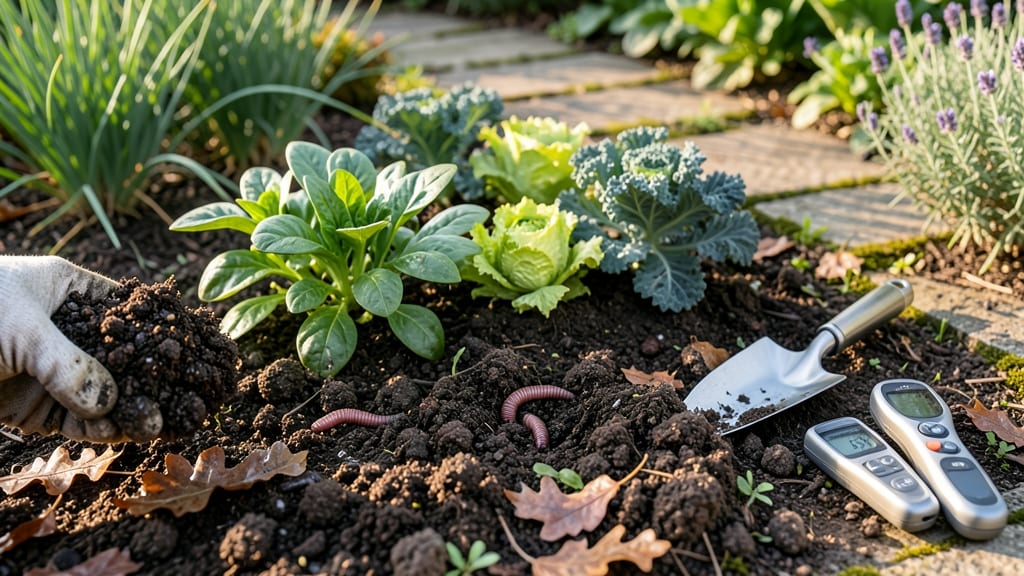
Rich soil loam is the gold standard for plant growth, and most gardeners should mix 1 to 2 inches per square foot into the top 6 inches of existing soil. This ratio balances drainage and nutrient retention, while adjusting for clay-heavy or sandy soils prevents root stress.
Loam's magic lies in its perfect balance—40% sand, 40% silt, and 20% clay—which creates ideal pore space for roots to breathe while holding moisture and nutrients. 🌱 The organic matter in quality loam (like well-aged compost) acts like a sponge, slowly releasing nutrients as plants need them.
I've seen struggling gardens transform when I replace heavy clay with a 50/50 loam mix—roots suddenly have room to expand without drowning in water.
For sandy soils, I recommend adding 2 inches of loam per square foot to improve water retention, while clay-heavy gardens benefit from a 1:1 loam-to-existing-soil ratio to break up compaction.
The key is working loam into the top 6 inches using a broadfork—this prevents creating a hardpan layer where roots can't penetrate. Think of it like giving your plants a premium foundation instead of patchy fill.
💡 In This Article
- How Loam Soil Composition Boosts Plant Health
- Adjusting Loam Mix Ratios for Different Soil Types
How loam soil composition boosts plant health
The perfect balance of loam soil—40% sand, 40% silt, and 20% clay—creates an ideal environment for roots. Sand provides drainage, while silt holds moisture and nutrients, and clay acts like a nutrient reservoir.
This structure creates 25-30% pore space, allowing oxygen to reach roots while preventing waterlogging. 🌱 The magic happens when organic matter (like compost) is added—it binds to clay particles, forming aggregates that improve aeration and water retention.
Let's break down the science: Silt particles (0.002-0.05mm) are smooth and hold nutrients through electrostatic charges, while clay (<0.002mm) has a massive surface area (up to 1,000m² per gram) that attracts and stores nutrients.
When you mix in organic matter, it creates micro-pores that hold water against gravity, making nutrients available to roots when needed. This is why plants in loam grow faster—they're not struggling with either too much or too little water or nutrients.
Consider how loam affects plant roots: In heavy clay soil, roots suffocate because water can't drain. In pure sand, roots dry out because water drains too quickly. Loam's balanced texture gives roots optimal oxygen levels (10-15% by volume) while maintaining moisture.
I've seen tomato plants in loam produce 30% more fruit than in clay because their roots can expand freely without water stress. The organic matter also feeds beneficial microbes that break down nutrients into forms plants can absorb.
For gardeners working with existing soil, the key is understanding your soil's current composition. A simple jar test reveals your soil type: Fill a jar with soil and water, shake, then let it settle.
If you see distinct layers with sand on top and clay at the bottom, you likely have poor drainage. Adding loam creates a buffer zone where roots can thrive. The ideal loam mix should feel like a damp sponge—light enough to crumble but not so loose it falls apart. 🌿
Here's what happens at the microscopic level: When you add loam to heavy clay, the sand particles create channels that improve drainage while the silt helps retain moisture. In sandy soil, the clay and silt in loam act like tiny sponges that hold water near roots.
This is why vegetable gardens in loam produce more consistently—plants aren't fighting for resources. The organic matter in quality loam also contains 1-3% carbon, which feeds soil microbes that create more pore space over time.
Think of loam as nature's perfect recipe: The sand provides structure, silt acts as the nutrient delivery system, and clay holds everything together. When you add organic matter, you're essentially creating a living ecosystem where roots can grow unhindered.
This is why professional gardeners often pay premium prices for quality loam—they know it's the foundation for healthy plants. The 1-2 inch per square foot recommendation comes from decades of agricultural research showing this depth provides enough improvement without overwhelming existing soil structures. 🌱