
How To
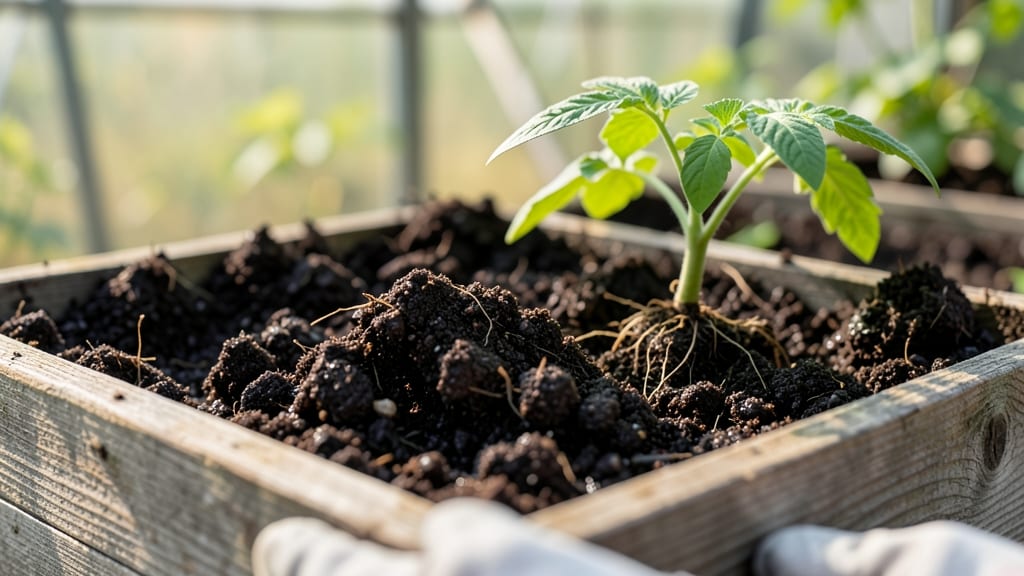
Running out of potting mix? These 10 tested alternatives—from kitchen scraps to natural materials—keep your plants thriving without store-bought soil. Perfect for urban gardeners, seed starters, or emergency fixes!
Coconut Coir for Moisture-Retentive Growth
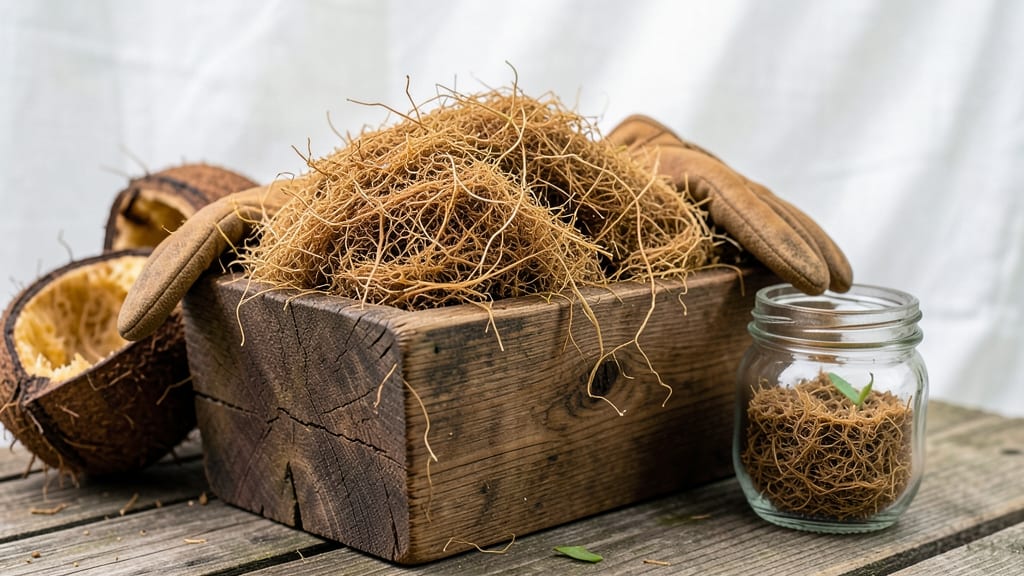
Tired of struggling with soggy soil or compacted potting mixes? Coconut coir is your game-changing, eco-friendly solution—derived from coconut husks, it holds 3x more water than peat moss while staying naturally sterile and free of weeds or pathogens.
This fibrous material mimics the texture of garden soil, making it perfect for tropical plants like ferns, calatheas, and orchids that crave consistent moisture without waterlogging. Simply hydrate the compressed coir bricks with water (they expand to 6-8x their size!), and you’re ready to use it for seed germination or repotting. For best results, mix it 50/50 with perlite or compost to improve aeration.
Urban gardeners and seed starters will love this sustainable swap—it’s biodegradable, reusable, and eliminates the need for peat harvesting. Plus, it’s pH-neutral, so you won’t need to adjust soil chemistry for sensitive plants. 🌿
Composted Leaf Mold for Acid-Loving Plants
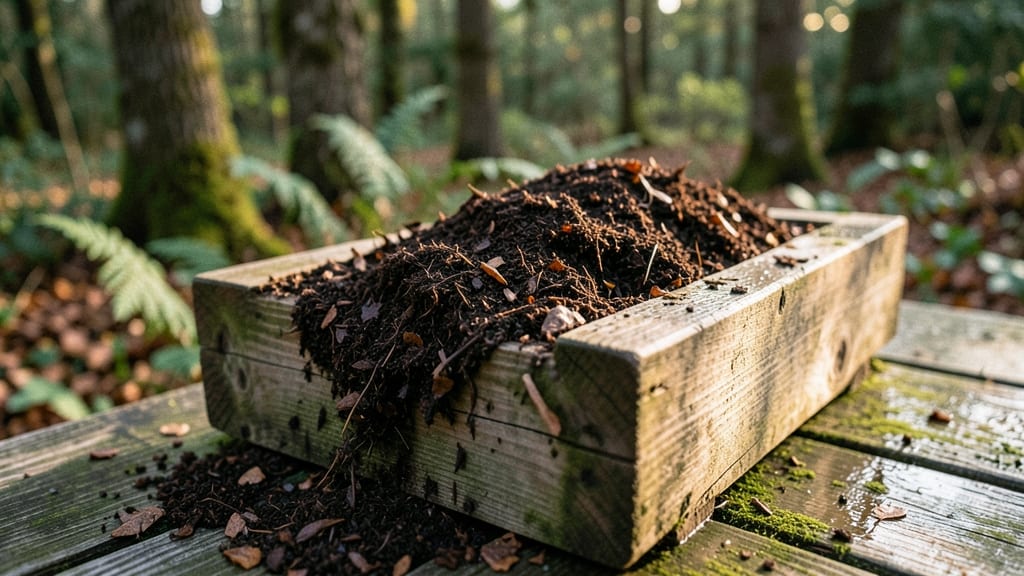
If your azaleas or blueberries are struggling in store-bought soil, composted leaf mold might be the game-changer you need. This slow-decomposed, forest-floor treasure mimics the ideal conditions these acid-loving plants crave, with a spongy texture that retains moisture while improving drainage.
Made by collecting fallen leaves in a bin for 1-2 years, leaf mold breaks down into a dark, crumbly humus rich in organic matter. Mix it into your potting soil at a 1:1 ratio for year-round fertility, or use it as a top dressing to acidify soil naturally. It’s especially valuable for ferns and rhododendrons, which thrive in its slightly acidic pH (5.0-6.0).
Urban gardeners with limited space will love this zero-waste solution—simply gather leaves from your yard or neighborhood (avoiding diseased ones) and let nature do the work. Your acid-loving plants will reward you with lush growth and vibrant blooms. 🌿
Peat Moss and Perlite Blend for Airy Roots
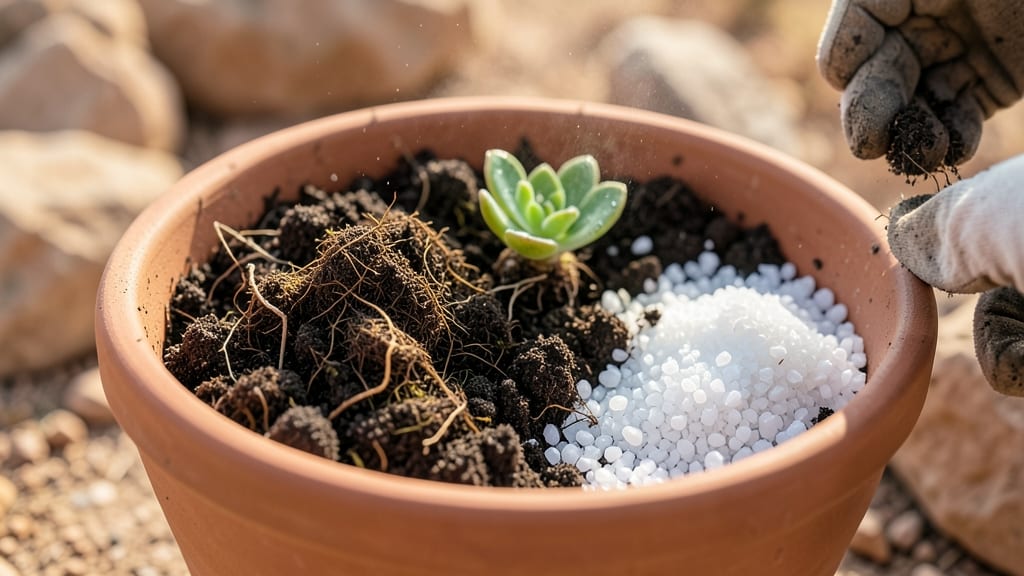
Struggling with soggy soil that’s suffocating your succulents or cacti? A simple 2:1 blend of peat moss and perlite transforms dense potting mix into a lightweight, breathable medium that mimics desert conditions—naturally.
Peat moss retains just enough moisture to keep roots hydrated, while perlite creates air pockets that prevent root rot and improve drainage. For best results, mix two parts peat moss with one part perlite by volume, then adjust based on your plant’s needs—add more perlite for extra-dry species like echeverias.
This budget-friendly combo is ideal for beginners or urban gardeners with limited space, as it eliminates the need for heavy, compacted soil while keeping roots happy year-round. 🌱
Crushed Pine Bark Fines for Orchids
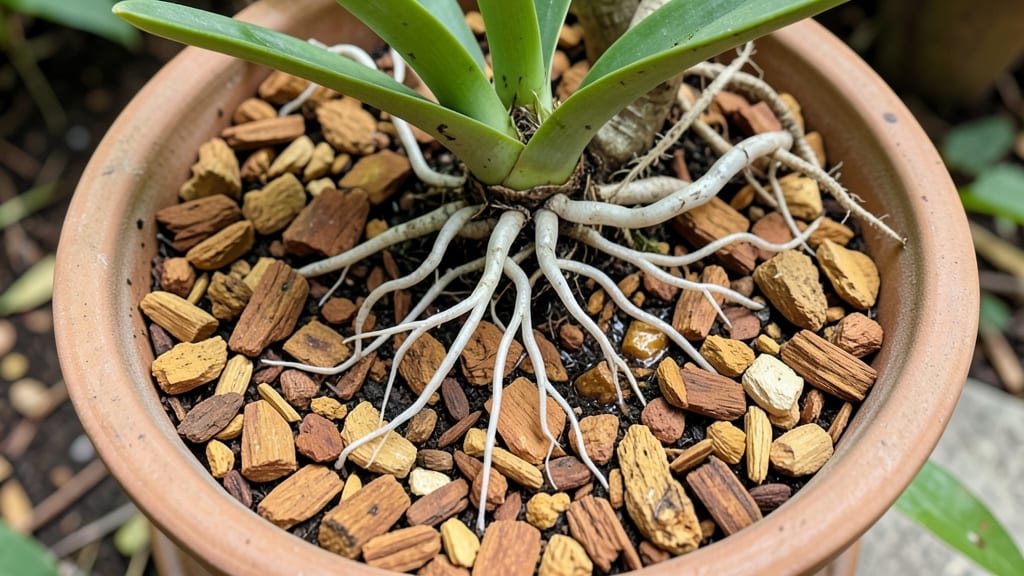
If your orchids or bromeliads are struggling with stagnant air around their roots, crushed pine bark fines could be your game-changer. This chunky, organic substitute mimics the epiphytic plants' natural habitat by creating essential airflow while retaining just enough moisture to keep roots happy.
Start by sterilizing the bark in a 200°F oven for 30 minutes to eliminate fungal spores, then mix it with a small amount of perlite or charcoal (10% of the total volume) for extra drainage. Use it as a standalone medium for mounting orchids or blend it with sphagnum moss (50/50 ratio) for potted bromeliads. The bark’s slow decomposition also provides long-term structure, reducing the need for repotting.
This substitute is ideal for hobbyists who love low-maintenance epiphytes but want to avoid synthetic mixes. Plus, it’s budget-friendly and widely available at garden centers or online. 🌻
Vermicompost Tea for Nutrient Boost
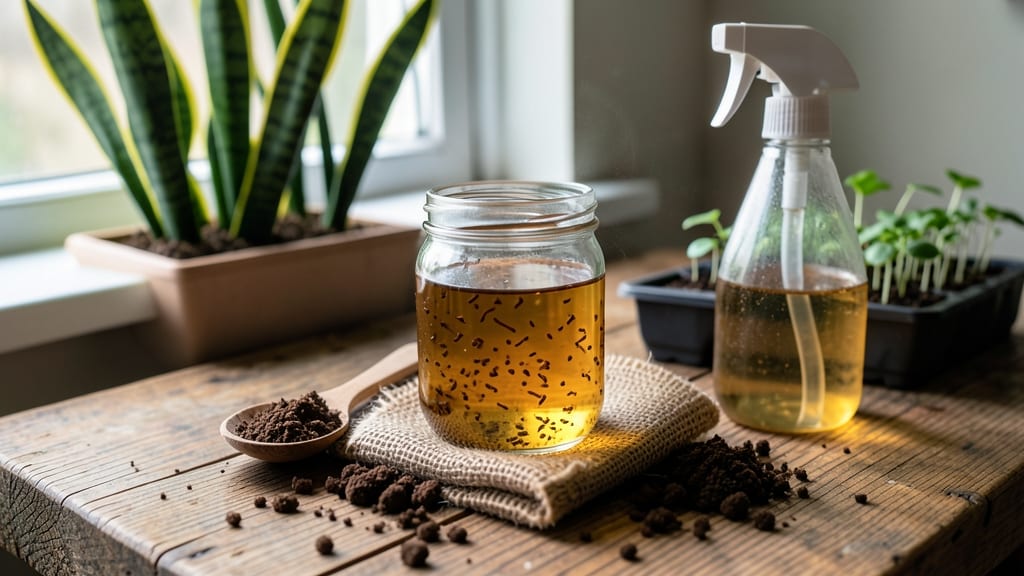
Tired of struggling with nutrient-deficient soil? Vermicompost tea—a nutrient-packed liquid fertilizer made from worm castings—delivers a gentle yet powerful boost to your plants without disrupting soil structure. This organic elixir is perfect for houseplants, seedlings, and container gardens where traditional soil amendments aren’t practical.
To make it, steep 1 part worm castings in 10 parts water for 24-48 hours, then strain and dilute further (1:10) before applying. The result is a rich blend of nitrogen, phosphorus, and potassium that enhances root growth and foliage vitality. Use it every 2-4 weeks for container plants or monthly for established garden beds.
This method is ideal for urban gardeners with limited space or those repurposing materials—no soil disruption means you can feed plants in pots, hanging baskets, or even hydroponic setups. Plus, it’s a sustainable way to recycle worm castings from your composting system. 💚
Sphagnum Moss for Seedling Starter
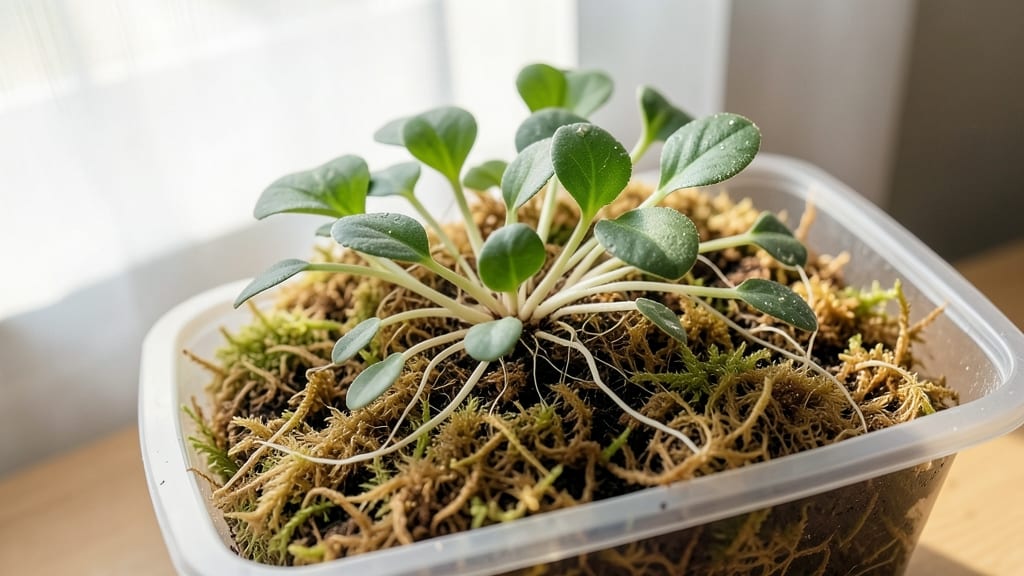
Struggling to keep delicate seedlings from drying out or rotting? Sphagnum moss is your secret weapon—a natural moisture sponge that cradles tiny roots while letting them breathe. Unlike dense potting mixes, its fibrous texture mimics a nursery environment, making it ideal for African violets or cuttings like pothos.
Simply soak the moss in water until saturated (but not dripping), then place cuttings or seeds on top. The moss stays moist for days while preventing the suffocating conditions that cause damping-off disease. For best results, cover with a clear plastic dome to retain humidity, and replant seedlings into soil once roots establish—usually in 2-4 weeks.
This is the go-to choice for urban gardeners with limited space or anyone propagating plants without a full seed-starting setup. 🌱
Charcoal and Sand Mix for Drainage
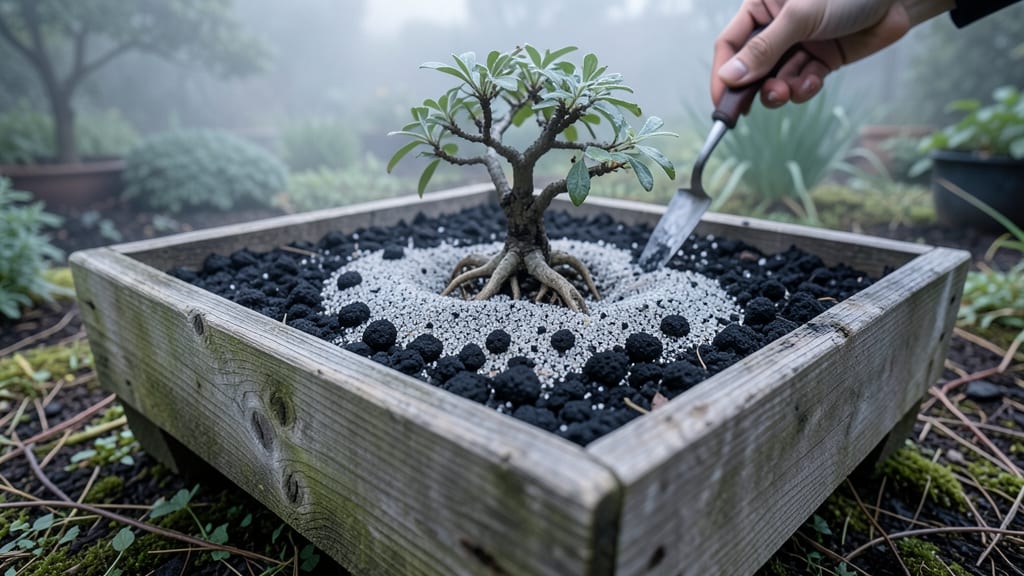
Struggling with waterlogged soil that's suffocating your plants? A charcoal and sand mix is your secret weapon—it filters toxins while keeping roots dry. This dynamic duo is especially transformative for bonsai trees or containers in soggy climates.
Start with equal parts activated charcoal (for toxin absorption) and coarse sand (for drainage). The charcoal binds harmful chemicals like chlorine and excess salts, while the sand creates air pockets to prevent compaction. For bonsai, use a 3:1 sand-to-charcoal ratio to mimic mineral-rich mountain soils. Refresh the mix every 6-12 months to maintain effectiveness.
This is the go-to solution for gardeners dealing with urban concrete planters or rainy-season root rot. Even houseplant lovers will appreciate how it extends the life of their moisture-sensitive collections. 💡
Shredded Newspaper for Seedling Pots
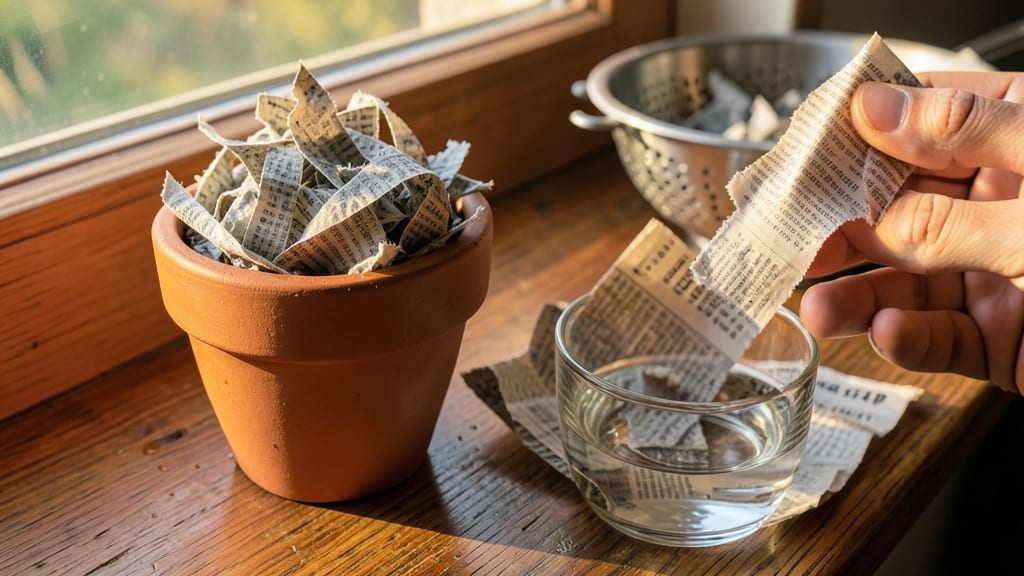
Why toss that old newspaper when you can turn it into a nutrient-rich seedling starter? Shredded newspaper breaks down into compost while holding moisture—ideal for temporary pots or mushroom growing kits. Simply tear pages into strips, soak in water for 10 minutes, and pack tightly into containers.
This zero-waste hack works best for fast-growing seedlings like basil or lettuce, or even oyster mushrooms. Add a handful of compost or worm castings to boost nutrients, and replace the pots when roots outgrow the paper (around 4-6 weeks). The paper’s structure mimics soil while decomposing harmlessly into your garden.
Perfect for urban gardeners or anyone with limited space—no store-bought mix needed! Just ensure you use ink-free or soy-based ink paper to avoid chemical leaching. 🌱
Hydroton (Expanded Clay) for Hydroponics
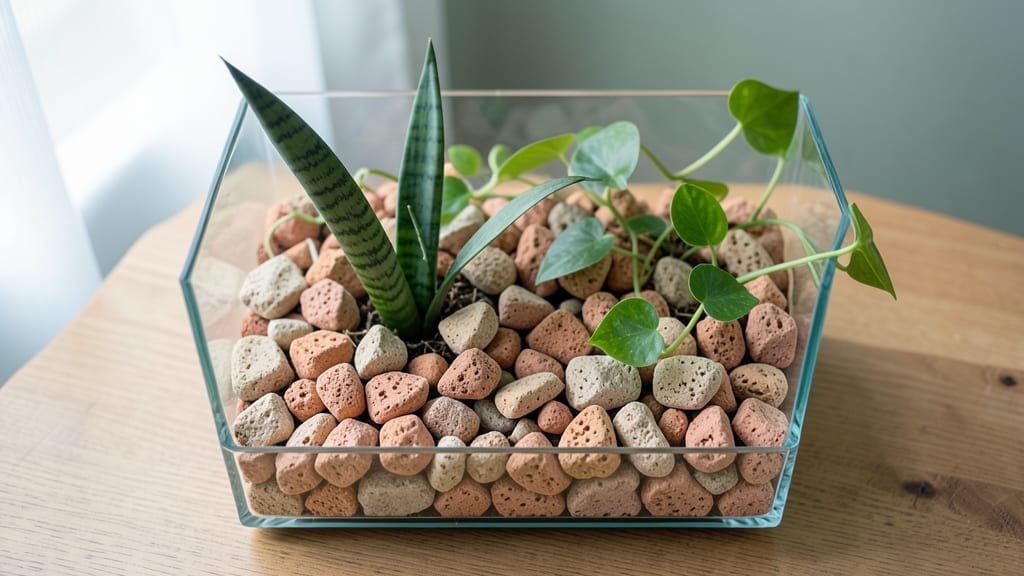
If you’re tired of soggy soil ruining your moisture-sensitive plants, hydroton (expanded clay pebbles) could be your game-changer. These inert, porous pebbles create an oxygen-rich environment that prevents root suffocation—ideal for snake plants, pothos, or hydroponic setups where traditional soil fails.
Unlike organic substitutes that break down, hydroton lasts for years and can be reused after rinsing. Simply rinse them with water, then layer them in your grow tray or pot to create a self-draining, sterile medium. For hydroponics, use pebbles sized ¼” to ½” to maximize root contact while allowing water flow. They’re also great for propagating cuttings—just place stems on top and watch roots develop in days.
This is the ultimate low-maintenance solution for gardeners who hate repotting or dealing with compacted soil. 💡
Mushroom Compost for Heavy Feeders

Looking for a nutrient-packed potting soil substitute that’ll make your tomatoes and peppers thrive? Mushroom compost delivers a powerhouse of nitrogen and beneficial microbes—nature’s way of turbocharging heavy feeders without synthetic fertilizers.
This dark, crumbly material breaks down into a rich, spongy texture that retains moisture while improving soil structure. Use it as a 20-30% mix with coconut coir or peat moss to avoid overfeeding delicate roots. But here’s the key: always sterilize it first (bake at 180°F for 30 minutes) to kill any lingering pathogens that could harm your plants.
Perfect for gardeners who want organic, high-performance growing mediums—especially those with leafy greens or fruiting plants that demand extra nutrients. Just add water and watch your garden flourish! 🌱