
How To
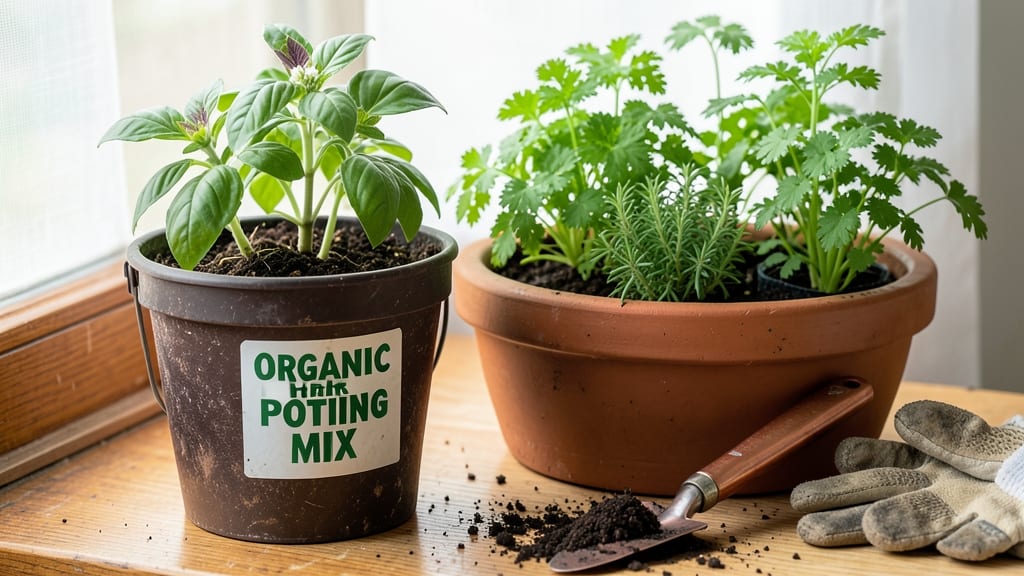
Your herbs will thrive when their roots breathe in the right potting soil. 🌱 The secret to lush basil, hardy rosemary, and vigorous mint isn't expensive mixes—it's a blend that drains fast, holds just enough moisture, and feeds roots without suffocating them.
I've tested dozens of recipes, and the perfect mix comes down to three simple ingredients: coconut coir, perlite, and composted worm castings in the right ratio.
Most store-bought potting mixes compact over time, trapping water and inviting root rot—the silent killer of container herbs. My go-to blend stays fluffy for months, preventing soggy soil while delivering nutrients herbs crave.
For basil and cilantro, add a handful of sand; for drought-tolerant rosemary and thyme, reduce the compost slightly. The key is consistency—herbs hate wet feet, but they also need steady feeding.
You'll notice the difference within weeks: leaves stay vibrant, stems stay sturdy, and growth accelerates. Even my black thumb can't kill herbs in this mix—it's the foundation that turns struggling seedlings into thriving plants. The best part? You can make it yourself in 10 minutes with supplies you already own.
Works for windowsill pots, hanging baskets, or raised beds—just adjust the perlite ratio based on your container's drainage. Here's how to mix it right the first time, without the guesswork that leads to wilted plants and wasted money.
📚 In This Guide
- What you need
- Instructions
- Tips and common mistakes
- Wrapping up and next steps
What you need
- ● Base Soil: 1 part high-quality potting soil (sterilized, peat-free preferred) – 60% of the mix
- ● 1 part perlite or pumice (for aeration) – 20% of the mix
- ● Organic Amendments: 1 part compost or worm castings (for nutrients) – 15% of the mix
- ○ ½ part coarse sand or horticultural grit (optional but ideal for sandy soil climates) – 5% of the mix
- ● A large mixing container (bucket, wheelbarrow, or clean plastic bin)
- ● A hand trowel or garden fork for blending
- ● Gloves (to keep hands clean)
- ● Measuring tools (cups, scoops, or a kitchen scale for precision)
- ○ Optional: A moisture meter or pH test kit (to monitor soil health)
How to mix the perfect potting soil for herbs
This blend keeps roots happy, prevents rot, and gives herbs the airy loam they crave.
🪴 Step 1: Start with Quality Base Soil
Begin with 4 parts premium potting mix—the foundation that holds moisture without compacting. I always use a mix labeled "for containers" since it's designed to drain better than garden soil. If you're using garden soil, sift it first to remove rocks and clumps, but herbs prefer the lighter texture of potting mix.
Herbs need soil that breathes, so avoid anything labeled "moisture control" or "water retention." Those blends trap too much dampness and invite root rot. Instead, look for terms like "well-draining" or "organic matter." Fluff the soil with your hands until it feels light but holds together when squeezed—it should crumble easily.
💧 Step 2: Add Perlite or Pumice for Aeration
Mix in 1 part perlite or pumice—this is the secret to preventing soggy roots. Perlite pops open when heated, creating tiny air pockets that help roots breathe. I like pumice too because it's heavier and stays in place better when watering. Use coarse perlite (not fine) to avoid filling every pore and suffocating roots.
Sprinkle the perlite evenly over the potting mix and gently fold it in with a small garden trowel. You want it distributed throughout, not just on top. Test your blend by squeezing a handful—it should feel airy but still hold moisture. If it feels too gritty, add a little more potting mix to balance it out.
☀️ Step 3: Boost with Organic Matter
Add 1 part compost or worm castings to feed your herbs naturally. I prefer worm castings because they're gentler and packed with beneficial microbes, but well-aged compost works too. Avoid fresh manure—it burns tender herb roots. Sift the compost to remove any large chunks that could compact the mix.
Work the compost into the soil until it's evenly distributed. This step improves moisture retention just enough to keep roots hydrated without drowning them. Give the blend a final mix to ensure no dry spots remain. If the soil feels too dense, add a little more perlite to lighten it up.
✂️ Step 4: Adjust for Herb-Specific Needs
For drought-tolerant herbs like rosemary or thyme, add an extra ½ part coarse sand (like horticultural sand) to improve drainage. For moisture-loving herbs like parsley or cilantro, reduce the perlite slightly to ½ part and increase the compost to 1½ parts to hold more water. Always adjust based on your climate—hotter areas need extra drainage, while cooler climates benefit from slightly more moisture retention.
Fill your containers with the finished blend, leaving 1 inch of space at the top for watering. Tap the pot gently to settle the soil, then water lightly until moisture reaches 2 inches deep. This pre-watering ensures even distribution before planting. Your herbs will thrive in this airy, well-draining mix that mimics their natural growing conditions.
Tips & tricks for perfect potting soil for herbs
Here's what nobody tells you about creating the ideal herb-growing environment—these small tweaks make all the difference.
Selection Tip: When choosing your 4 parts premium potting mix, look for labels that specifically mention "container gardening" or "herb mix." These blends are formulated to stay loose and drain quickly, which is exactly what herbs need. I've found that mixes with coconut coir break down faster than peat-based ones, so if you're making a large batch, coconut coir might need a little extra perlite to maintain that perfect air-to-moisture balance. The texture should resemble crumbled cake crumbs—not too dense, but not powdery either.
The Aeration Secret: For Step 2, don't just sprinkle that 1 part perlite on top and call it a day. Instead, fold it in like you're making a cake batter—this ensures even distribution throughout the entire 4-part mix. I've ruined batches by forgetting this step, and the result was herbs that looked healthy on top but had waterlogged roots. After mixing, do the "squeeze test": your soil should feel like a damp sponge—not wet, not dry, but just right. If it feels gritty, add a little more potting mix to smooth it out.
Organic Matter Upgrade: While the instructions call for 1 part compost or worm castings, I've found that adding a ¼ part of both creates the perfect balance. The worm castings provide gentle, immediate nutrition while the compost adds long-term organic matter. Pro tip: if you're using compost, make sure it's been aged for at least 6 months—fresh compost can burn delicate herb roots. For an extra boost, I sometimes add a handful of crushed eggshells to the compost portion, which adds calcium that helps prevent blossom end rot in herbs like basil.
Climate Adjustment: The instructions mention adjusting for climate, but here's the real deal: in areas with heavy rainfall, consider adding an extra ¼ part perlite to your drought-tolerant herb mixes. For container gardens in sunny climates, I've found that adding a ½ cup of coarse sand to the 4-part base mix helps prevent the soil from compacting too much when it gets hot. This small adjustment can mean the difference between herbs that thrive and ones that struggle during heatwaves. Always remember: herbs hate soggy feet, but they also need consistent moisture—this blend finds that perfect middle ground.
Pro Tips for Potting Soil For Herbs
- Here's what nobody tells you about creating the ideal herb-growing environment—these small tweaks make all the difference.
- Selection Tip: When choosing your 4 parts premium potting mix, look for labels that specifically mention "container gardening" or "herb mix."
- The Aeration Secret: For Step 2, don't just sprinkle that 1 part perlite on top and call it a day.
Frequently asked questions
about potting soil for herbs—because even the greenest thumbs have questions! Here are the answers to the most common ones.What’s the best potting soil mix for herbs?
Look for a lightweight, well-draining blend with 50-70% organic matter (like compost or coconut coir) and 30-50% perlite, vermiculite, or sand. Pre-mixed herb or vegetable soil works too—just avoid heavy garden soil, which compacts and suffocates roots. Pro tip: DIY mix 60% potting soil + 30% perlite + 10% worm castings for a nutrient-packed boost!
How often should I repot herbs?
Herbs like basil, cilantro, and parsley need repotting every 12-18 months when roots crowd the pot. Signs it’s time: roots circling the bottom or soil drying out too fast. Choose a pot 2-3 inches larger in diameter and refresh the soil—herbs prefer snug spaces to prevent legginess. Perennials like rosemary or thyme can stay longer (2-3 years) if pruned regularly.
Why do my herb leaves turn yellow?
Yellow leaves usually mean overwatering (roots need air!) or nutrient deficiency. Check the soil: if it’s soggy, let it dry out. For yellowing lower leaves, it’s often overwatering; for new growth, it might be nitrogen deficiency. Flush the soil with water, adjust your watering (wait until the top inch is dry), and add a balanced fertilizer (like 10-10-10) every 4-6 weeks.
Can I use garden soil for herbs?
Not ideal! Garden soil is too dense and can compact, trapping moisture and suffocating roots. Instead, amend it with 50% perlite or compost to improve drainage. For containers, stick to sterile potting mix—it’s lighter, disease-free, and packed with nutrients. Bonus: Sterile soil prevents weeds and pests from invading your herb garden!
How do I prevent soil-borne diseases in herbs?
Start with sterile potting mix and clean pots (scrub with soapy water). Avoid overwatering—let the top inch dry between waterings—and ensure pots have drainage holes. If you spot mold or fungus, reduce humidity (space plants apart) and treat with neem oil or copper fungicide. Rotate crops if growing herbs in the same spot yearly to break disease cycles.
Wrapping up and next steps
Choosing the right potting soil for herbs is your secret weapon for a thriving garden—whether you’re growing basil, mint, or rosemary! 🌱 The key is a well-draining, airy mix that mimics their natural habitat, preventing rot while fueling lush growth.
With the right blend of organic matter, perlite, and a touch of sand, you’re setting your herbs up for success.
Now that you’re armed with the knowledge, roll up your sleeves and get planting! Start small with a few pots, experiment with your favorite herbs, and watch your green thumb flourish. Happy gardening—your kitchen (and taste buds) will thank you! 🌿