
Propagation
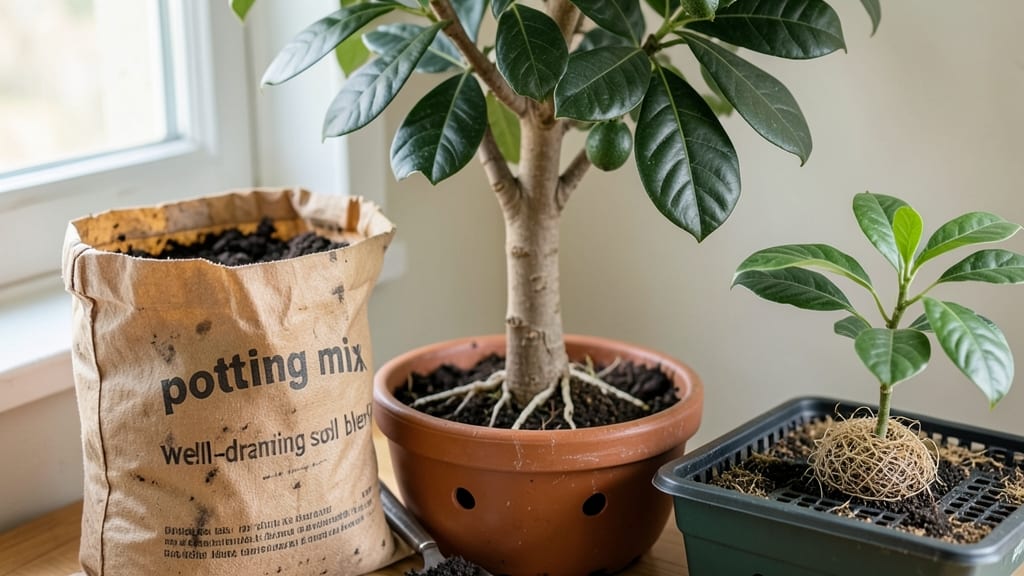
Fast root growth starts with the right potting soil for avocado—skip the generic mix and you’ll end up with soggy roots and yellow leaves. 🌱 The secret is a lightweight loam that drains fast but holds moisture just enough to keep those tropical roots happy, not drowning.
I’ve learned the hard way that avocados hate soggy feet, and the right soil mix makes all the difference between a thriving tree and a sad, stunted plant.
Most store-bought potting mixes are too dense, and avocados need something airy—think 50% peat or coconut coir, 30% perlite or pumice, and 20% compost for nutrients. This combo mimics their native volcanic soil while preventing root rot. The texture should feel like a damp sponge, not wet cement.
If you’re repotting a seedling, add a handful of worm castings for that extra boost of happy microbes. You’ll see the difference within 2-3 weeks: dark green leaves instead of yellowing, sturdy stems instead of leggy growth, and roots that spread eagerly through the pot.
The key is keeping the soil slightly moist but never soggy—stick your finger in, and if the top inch feels dry, it’s time to water. Overwatering is the #1 killer of young avocados, so err on the side of dryness.
This mix works for both seed-started avocados and store-bought seedlings, and it scales from tiny 4-inch pots to 5-gallon containers. Once you master the soil, your avocado’s growth will surprise you—no more waiting years for that first fruit. Let’s get those roots thriving!
📚 In This Guide
- What you need
- Instructions
- Tips and common mistakes
- Wrapping up and next steps
What you need
- ● Potting soil base: 60% well-draining potting mix (e.g., Miracle-Gro Potting Mix or Fox Farm Ocean Forest). Avoid garden soil—it compacts too easily!
- ● Perlite or pumice: 20% (by volume) for aeration. Perlite is lightweight and affordable; pumice adds extra grit.
- ● Coco coir or peat moss: 15% to retain moisture without suffocating roots. Coir is eco-friendly and reusable!
- ● Compost or worm castings: 5% for organic nutrients. Worm castings are a gentle, nutrient-rich boost.
- ○ Sand (optional but helpful): 5–10% coarse horticultural sand to improve drainage. Skip this if your mix drains well already!
- ● A 5-gallon bucket or large container for mixing (sterilized with boiling water if reused).
- ● A hand trowel or gardening gloves for blending ingredients.
- ● A spray bottle with water to moisten the mix before potting.
- ● Pot with drainage holes (12–18 inches wide for mature avocados; smaller for seedlings).
- ○ pH testing kit (optional): Aim for a slightly acidic pH of 6.0–7.0. Avocados thrive in this range!
Step-by-Step guide to creating fast-draining potting mix for avocados
Avocados need airy roots to thrive—here’s how to blend a lightweight mix that speeds growth and prevents rot.
🌱 Step 1: Mix the Base Components
Start with 2 parts peat moss or coconut coir—this holds moisture without suffocating roots. I like to add 1 part perlite for extra aeration, since avocado roots need oxygen to spread quickly. Sift the peat moss first to break up any clumps, then fold in the perlite until evenly distributed.
If you’re using garden soil, skip it entirely—avocados hate compacted dirt. The goal is a fluffy texture that lets roots expand into every inch of the pot. Press the mix lightly between your fingers; it should hold shape but crumble easily when squeezed.
💧 Step 2: Add Organic Matter for Nutrients
Stir in 1 part compost or worm castings to feed the roots without weighing them down. I prefer worm castings because they release nutrients slowly, matching the avocado’s steady growth rate. Avoid fresh manure—it can burn tender roots and slow germination.
Moisten the mix with lukewarm water until it feels like a damp sponge, not a soggy sponge. Overwatering now will compact the soil and cut off oxygen. Test by squeezing a handful: water should bead on the surface but not drip through your fingers.
✂️ Step 3: Adjust for Drainage and Texture
For faster root growth, add ½ part coarse sand or horticultural grit to improve drainage. Avocados rot quickly in waterlogged soil, so this step is critical. Mix thoroughly—uneven patches can create wet spots where roots suffocate. Tap the pot gently to settle the mix without compacting it.
Fill your container ¾ full with the blend, leaving room for the avocado pit or seedling. Press lightly around the edges to create a stable base, but avoid packing it down. The mix should feel light enough to float if you lift a handful—this ensures roots can explore freely.
☀️ Step 4: Test and Refine Before Planting
Drop a handful of the mix into a glass of water. If it stays mostly intact for 30 seconds, your blend drains well. If it dissolves or sinks, add more perlite or sand. Avocado roots need this balance to grow fast without drowning.
Now’s the time to adjust. Too heavy? Add perlite. Too gritty? Mix in more compost. The perfect blend feels like holding a cloud—light, airy, and just damp enough to support new roots without smothering them.
Tips & tricks for perfect avocado potting mix
Between us, creating the ideal avocado soil blend is all about balance—too much moisture and roots drown, too little and they dehydrate. Here’s how to get it right every time.
Base Ingredient Prep: Sift your 2 parts peat moss or coconut coir thoroughly before mixing—this prevents clumping that can suffocate roots. I like to use a fine-mesh sieve or even a clean kitchen strainer. For coconut coir, soak it first if it arrives dry, then squeeze out excess water completely before using. This step alone makes the difference between a mix that works and one that fails.
Texture Test: After combining all ingredients in Step 1, do this quick check: press a handful of the mix between your fingers—it should hold its shape but crumble easily when squeezed gently. If it stays compacted, add more perlite (¼ part at a time). If it falls apart completely, mix in a little more compost or worm castings to help it bind. Think of it like baking: you want a structure that holds but doesn’t collapse.
Watering Wisdom: When moistening your mix in Step 2, use lukewarm water—not cold, not boiling. Cold water can shock the soil’s structure, while hot water can kill beneficial microbes. Test the moisture by squeezing: water should bead on the surface but not drip through your fingers. If you’re unsure, err on the drier side—avocado roots are more forgiving of slight dryness than they are of soggy conditions.
Drainage Debugging: If your mix fails the 30-second water test in Step 4, don’t panic—just adjust gradually. For every handful that dissolves, add 1 tablespoon of perlite or coarse sand to the next batch. Conversely, if your mix stays too clumpy, mix in 1 extra tablespoon of compost per handful. The key is patience: small adjustments prevent overcorrecting, which can throw off the entire blend.
Pro Tips for Potting Soil Avocado
- Between us, creating the ideal avocado soil blend is all about balance—too much moisture and roots drown, too little and they dehydrate.
- Base Ingredient Prep: Sift your 2 parts peat moss or coconut coir thoroughly before mixing—this prevents clumping that can suffocate roots.
- Texture Test: After combining all ingredients in Step 1, do this quick check: press a handful of the mix between your fingers—it should hold its shape but crumble easily when squeezed gently.
Frequently asked questions
Got questions about the best potting soil for your avocado plant? You’re not alone! Here are some of the most common queries—plus quick, actionable answers to keep your avocado thriving.
What’s the ideal potting soil mix for avocados?
Avocados love well-draining, slightly acidic soil (pH 6.0–7.0). A mix of 60% potting soil, 30% perlite or coarse sand, and 10% coconut coir or compost works best. Avoid heavy clay—it suffocates roots and causes rot. Pro tip: Add a handful of orchid bark for extra aeration!
How often should I repot my avocado?
Repot every 1–2 years or when roots circle the pot (a sign of root-bound stress). Spring is ideal—avoid winter repotting, as cold temps slow recovery. Warning: If you see roots growing out of drainage holes, act fast! Use a pot just 1–2 inches larger than the current one.
Can I use regular garden soil for avocados?
Nope! Garden soil is too dense and retains too much moisture, leading to root rot. Avocados need lightweight, airy soil to mimic their tropical habitat. If you’re in a pinch, amend garden soil with 50% perlite or vermiculite and a worm castings boost for nutrients.
Why are my avocado leaves turning yellow?
Yellow leaves often signal overwatering or poor drainage. Check the soil—if it’s soggy, let it dry out before watering again. Brown tips? That’s usually underwatering or fluoride buildup (use filtered water). For extra care, flush the soil with water monthly to remove salts.
What’s a quick fix for compacted potting soil?
If your soil feels like concrete, it’s time to fluff it up! Gently loosen the top 2–3 inches with a fork (avoid damaging roots). Mix in 1 part perlite to 2 parts soil and water lightly. For stubborn cases, top-dress with orchid bark or coconut chips to improve aeration long-term.
Wrapping up and next steps
Choosing the right potting soil for avocado—like a lightweight loam blend—sets the stage for lush, thriving plants with fast root growth and vibrant leaves. 🌱 Your avocado’s success hinges on drainage, aeration, and nutrient balance, so don’t overlook the basics: perlite, coconut coir, and a touch of compost.
Now that you’re armed with the know-how, it’s time to roll up your sleeves and give your avocado the perfect home!
Next step: Grab your supplies, follow the steps, and watch your avocado flourish—one healthy leaf at a time! 🌿