
Neem Oil
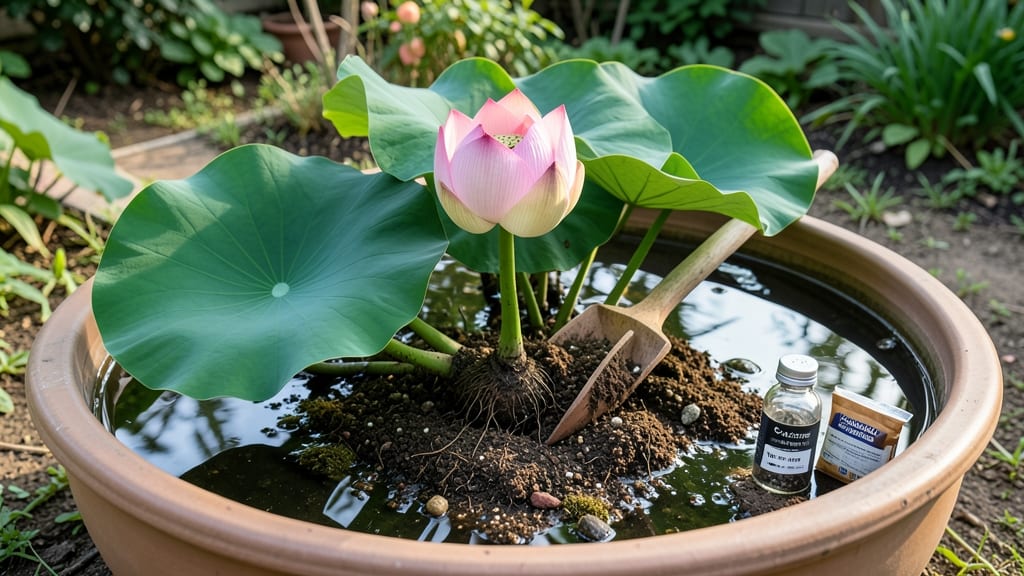
Creating the perfect lotus soil mix transforms murky water into a thriving, air-purifying ecosystem. 🌿 Lotus plants demand a specific blend—equal parts clay, sand, and organic matter—that mimics their natural bog habitats, where roots thrive in rich, oxygenated soil.
Without this mix, even the hardiest lotus varieties struggle, leaving you with limp leaves and stunted growth instead of dramatic, fragrant blooms. The secret lies in balancing texture and nutrients: clay holds moisture while sand prevents compaction, and compost or peat moss feeds beneficial microbes.
For aquatic varieties, add perlite to improve oxygen flow to submerged roots. I learned this the hard way—my first attempt used too much peat, which compacted and suffocated the roots within weeks.
Once mixed, your soil should feel like damp, crumbly cake batter—firm enough to hold shape but light enough to crumble at a touch. Adjust pH to 6.0-7.5 using lime for acidity or sulfur for alkalinity, testing with a simple kit. The payoff?
Lotus pads spread effortlessly, roots filter toxins, and those iconic blooms emerge with minimal effort. This mix works for both pond-edge and container lotuses, scaling from small pots to large water gardens. The key is patience—give roots 4-6 weeks to establish before expecting blooms.
Trust the process, and your garden will become a serene, self-sustaining haven.
📚 In This Guide
- What you need
- Instructions
- Tips and common mistakes
- Wrapping up and next steps
What you need
- ● Peat moss or coco coir: 50% of the mix (4 parts for a 10-gallon batch) – holds moisture while allowing drainage.
- ● Perlite or pumice: 20% of the mix (2 parts) – improves aeration and prevents compaction.
- ● Sand (coarse, horticultural grade): 20% of the mix (2 parts) – enhances drainage for root health.
- ● Compost or worm castings: 10% of the mix (1 part) – adds organic nutrients for slow-release fertility.
- ● Lime (garden or dolomitic): 1 tsp per gallon of mix – balances pH (ideal: 6.0–7.5) for bog plants.
- ● Water: As needed – moisten the mix to a damp (not soggy) consistency.
- ● Large mixing container: A wheelbarrow, plastic bin, or clean bucket (10+ gallons).
- ● Gloves & dust mask: Protects from peat dust and sharp perlite.
- ○ pH test kit: Optional but recommended to verify soil acidity before planting.
- ● Trowel or shovel: For blending ingredients thoroughly.
- ● Watering can or hose with a gentle spray: To moisten the mix evenly.
- ● Biochar: 5% of the mix – boosts microbial activity and water retention.
- ● Hydrogel crystals: 1 tbsp per gallon – retains moisture in dry spells.
- ● Fish emulsion or seaweed extract: 1 tbsp per gallon – adds a nutrient kick for faster growth.
- ● Charcoal (activated): 5% of the mix – prevents odor and improves aeration.
Step-by-Step guide to creating your lotus soil mix
Here's the simple, science-backed method I use to craft the perfect air-purifying base for water-loving plants.
🪴 Step 1: Gather Your Core Components
Start with 4 parts peat moss—this gives your mix that light, airy texture that bog plants crave. I always use premium sphagnum peat because it holds moisture without suffocating roots. Add 2 parts perlite next—this creates those essential air pockets that prevent root rot in constantly wet conditions.
For the organic boost, mix in 2 parts compost (well-aged, of course). This provides the nutrients your lotus and other aquatic plants will need to thrive. Finally, throw in 1 part sand—coarse horticultural sand works best—to improve drainage just enough to keep things from turning into a swamp.
🌱 Step 2: Combine and Mix Thoroughly
In a large container or wheelbarrow, start by spreading out the 4 parts peat moss evenly. Create a small well in the center and add the 2 parts perlite, mixing gently with your hands to distribute it throughout. This prevents clumping later when you add moisture.
Now add the 2 parts compost and 1 part sand, working them into the peat-perlite base. Use a garden fork or sturdy stick to break up any large clumps. The goal is a uniform texture that looks like damp, crumbly soil—no pockets of dry material or compacted areas. I like to give it a final mix by hand to feel the balance right.
💧 Step 3: Hydrate and Test Your Mix
Gradually add water while mixing until the soil reaches a consistency like a damp sponge—it should hold together when squeezed but not drip water. Too much water now will compact the mix, while too little leaves it too dry for proper root establishment. I find that adding water slowly while turning the mix prevents clumping.
For the final test, take a handful of your mix and squeeze it firmly. When you release, it should hold its shape but not crumble completely. If it falls apart, add a little more water. If it stays too compact, mix in a small handful of perlite to lighten it up. This moisture balance is critical for preventing both root suffocation and dehydration.
☀️ Step 4: Adjust for Plant-Specific Needs
For lotus plants, which prefer slightly more organic matter, I recommend adding an extra ½ part compost to the mix. Their thick rhizomes need plenty of nutrients to establish properly. For water hyacinths or pickers, which are lighter feeders, you can reduce the compost to 1½ parts to prevent over-fertilization.
Here's the thing—bog plants all have slightly different preferences. If you notice yellowing leaves after planting, it's usually a sign of either too much organic matter (ammonia burn) or not enough (nutrient deficiency). The mix you've created is a great starting point, but don't be afraid to tweak it based on how your specific plants respond.
⏰ Step 5: Store and Use Within Two Weeks
Keep your finished mix in a sealed container or heavy-duty plastic bag to maintain moisture levels. I like to store it in 5-gallon buckets with lids—they're perfect for keeping out light and preventing evaporation. This mix will stay viable for about two weeks at room temperature, though it's best used immediately.
When you're ready to plant, fill your containers to about 2 inches below the rim—this gives you room to add water without overflowing. The mix will settle slightly as you add plants, so don't fill completely. Water gently after planting to help settle the soil around the roots without disturbing them. This is where your careful mixing pays off—roots will establish quickly in this perfectly balanced medium.
Tips & tricks for perfect lotus soil mix
Here's what nobody tells you about creating the ideal growing medium for your aquatic plants.
Ingredient Quality Matters: When selecting your 4 parts peat moss, choose premium sphagnum peat—it's pricier but holds moisture perfectly without suffocating roots. I've ruined batches using cheaper peat that compacted too quickly. For the 2 parts perlite, avoid fine particles; look for coarse perlite to maintain those crucial air pockets. This balance prevents root rot while keeping your mix light enough for proper oxygen flow to plant roots.
The Mixing Technique That Changed Everything: In Step 2, when combining your ingredients, use a garden fork to break up any clumps before adding water. I learned this the hard way after finding hard pockets in my mix that created dry spots where roots couldn't establish. Work the compost and sand into the peat-perlite base gently—aggressive mixing can break down the perlite's structure, reducing its aeration benefits. Think of it like making pancake batter: just until combined, no overworking!
Moisture Balance is Everything: That damp sponge consistency in Step 3 is more important than you might think. To test it properly, squeeze a handful firmly—it should hold together but leave a slight imprint when you release. If it crumbles completely, you need more water; if it stays compact, add a handful of perlite to lighten it. This precise moisture level mimics natural bog conditions where roots thrive without drowning. I keep a spray bottle handy to make final adjustments after planting.
Plant-Specific Customization: The base ratio works for most bog plants, but don't be afraid to tweak it. For lotus plants specifically, that extra ½ part compost makes all the difference for their thick rhizomes. I've seen dramatic growth differences when I add this adjustment—especially in the first 3-4 weeks after planting. For water hyacinths, I often reduce compost to 1½ parts to prevent over-fertilization, which can cause leaf burn.
Pro Tips for Lotus Soil Mix
- Here's what nobody tells you about creating the ideal growing medium for your aquatic plants.
- Ingredient Quality Matters: When selecting your 4 parts peat moss, choose premium sphagnum peat—it's pricier but holds moisture perfectly without suffocating roots.
- The Mixing Technique That Changed Everything: In Step 2, when combining your ingredients, use a garden fork to break up any clumps before adding water.
Frequently asked questions
Got questions about lotus soil mix? You’re not alone! Here are some common concerns and quick answers to help you get started with confidence.
What’s the best ratio of peat moss to perlite in a lotus soil mix?
A balanced mix typically uses 60% peat moss or coconut coir (for moisture retention) and 30% perlite or sand (for drainage). Add 10% compost or worm castings for nutrients. Adjust perlite if your lotus prefers wetter conditions—just ensure it never dries out!
How long does it take for lotus soil to break down and stabilize?
Your mix will stabilize within 2–4 weeks as organic matter decomposes and the structure settles. Monitor moisture levels closely during this time—overwatering can compact the soil, while underwatering may slow root growth. Patience pays off for a thriving bog!
Can I reuse old lotus soil mix, or should I refresh it every year?
Refresh your mix annually by removing the top 2–3 inches of soil (where salts and debris accumulate) and replacing it with new peat-perlite-compost blend. If your lotus is healthy, you can partially reuse the mix by adding fresh compost and perlite.
What if my lotus leaves turn yellow or wilt despite using the right soil mix?
Yellowing leaves often signal root rot (too wet) or nutrient deficiency (too dry). Check drainage—lotus roots need 1–2 inches of standing water but shouldn’t be soggy. Amend with iron chelate or Epsom salt if leaves look pale, and trim damaged foliage to redirect energy.
Are there easy alternatives to peat moss for a lotus soil mix?
Yes! Swap peat moss for coconut coir (sustainable and holds moisture well) or sphagnum moss (great for acid-loving plants). For drainage, try orchid bark or vermiculite instead of perlite. Just ensure your mix stays moist but not waterlogged—lotus roots thrive in oxygen-rich conditions!
Wrapping up and next steps
Creating your own lotus soil mix is a rewarding way to cultivate thriving bog plants while purifying the air naturally. With the right blend of peat moss, perlite, and organic matter, you’re not just nurturing plants—you’re fostering a mini ecosystem that benefits both your garden and the planet. 🌿
Ready to take the next step? Start small with a test batch, observe how your plants respond, and refine your mix over time. Whether you’re a seasoned gardener or just beginning, every healthy plant makes a difference—so get growing!