
Watering
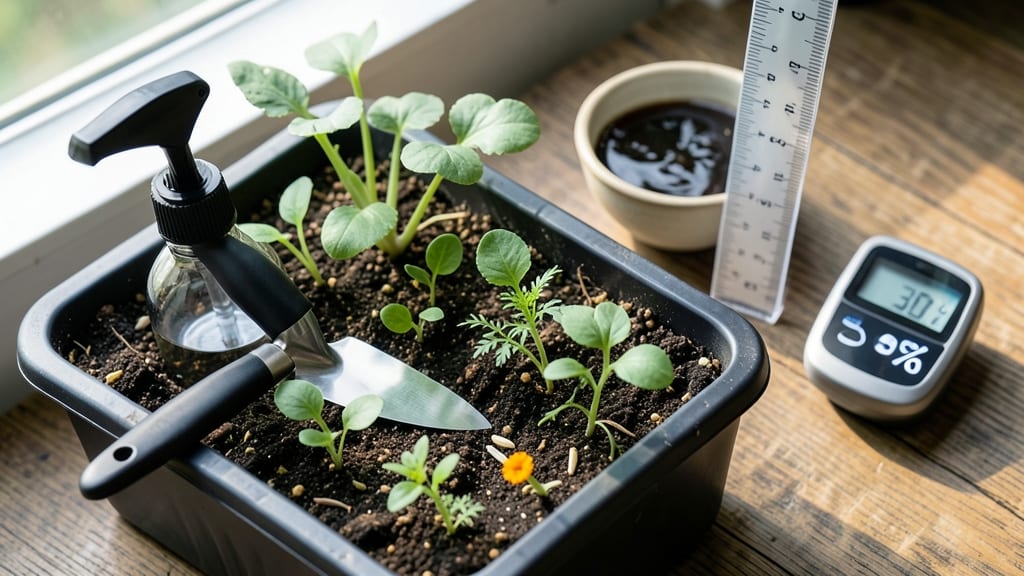
How wet should soil be for seeds? The answer is damp like a wrung-out sponge—not soggy or bone-dry—because the right moisture is the difference between a thriving seedling and a wasted packet.
Picture this: you’ve carefully planted your seeds, only to watch them sit stubbornly in the soil, refusing to sprout. The culprit? Soil that’s either too wet (drowning roots) or too dry (starving them).
Getting this balance right is easier than you think—and once you master it, your germination rates will skyrocket.
Most gardeners guess instead of testing, but a simple finger check or squeeze test reveals whether your soil is ready. Too much water? Roots suffocate. Too little? Seeds dry out before they even wake up.
Below, I’ll show you how to nail the perfect moisture every time, plus how different seeds need slightly different care.
You’ll leave here knowing exactly how to prep your soil, spot common mistakes, and keep your seeds happy until those first green shoots break through. Let’s get growing!
The ideal soil moisture levels for seed germination (with simple tests)
When you're ready to plant seeds, the soil moisture level becomes one of the most critical factors for success. Too dry, and your seeds won't activate; too wet, and they'll suffocate or rot before sprouting.
The ideal moisture balance sits right in the middle—like a cozy blanket for emerging roots. Think of it as field capacity: the point where soil holds enough water for seeds to drink without drowning.
Most gardeners struggle with this balance because we tend to overthink it. In reality, seeds need consistent moisture—not soggy conditions or bone-dry dirt. The good news? You don't need fancy tools to test it.
A simple finger check or squeeze test will tell you everything you need to know. Let's break down the science and share my foolproof methods for getting it right every time.
Field capacity is the gold standard for seed-starting moisture. At this level, soil holds 30-60% water by volume, with air pockets remaining for root development. This is where seeds thrive because they get steady hydration without oxygen deprivation. For comparison, saturation (completely waterlogged soil) is what causes seed rot, while dryness prevents germination entirely.
Why this matters: Seeds contain embryonic roots that need water to activate enzymes for growth. If the soil is too dry, these roots can't absorb moisture. If it's too wet, they suffocate from lack of oxygen. The perfect balance ensures seeds stay hydrated while allowing roots to breathe—just like how we need both air and water to survive.
My go-to method for testing soil moisture is the finger check. Simply push your index finger about 1 inch deep into the soil. If it feels damp but not wet, you're in the ideal range. If it's dry, water gently until moisture reaches that depth.
For a quicker visual cue, try the squeeze test: Grab a handful of soil and press it gently. If it holds its shape but crumbles slightly when poked, it's perfect.
For container gardening, I recommend using a moisture meter or checking the soil surface daily. Seeds in pots dry out faster than in-ground soil, so aim to keep the top ½ inch consistently moist.
Pro tip: Use a spray bottle for gentle watering—it helps maintain even moisture without disturbing seeds. Overhead watering can wash seeds away or create uneven moisture levels.
Different seeds have varying tolerance levels for moisture. Fast-germinating seeds like radishes or lettuce prefer slightly moister soil, while slow-germinating seeds such as tomatoes or peppers need consistent moisture but can handle brief dry spells better.
Always check the seed packet for specific recommendations. For example, delicate seeds (like impatiens) need barely damp soil, while hard-coated seeds (like some legumes) benefit from a quick soak before planting.
Maintaining the right moisture doesn't stop after planting. Use mulch (like straw or shredded leaves) to lock in moisture and prevent evaporation. For raised beds, I add a layer of coconut coir or peat moss to help retain water.
And remember: morning watering is best because it gives excess moisture time to evaporate during the day, reducing fungal risks.
One common mistake I see is assuming "wet" means "good." Waterlogged soil cuts off oxygen, leading to seed rot or damping-off disease—a fungal infection that kills seedlings at the soil line. If you're unsure, err on the side of slightly drier soil.
You can always add more water, but you can't undo overwatering damage. For sandy soil, which drains quickly, water more frequently but in smaller amounts.
To keep track of your soil's moisture levels, I recommend journaling your watering schedule and noting how quickly the soil dries out. Factors like temperature, humidity, and wind exposure all play a role.
For instance, in hot, dry climates, you might need to water twice daily, while cooler, humid conditions may only require daily checks. Pay attention to your garden's unique conditions—they'll teach you the best routine for your seeds.
Mastering soil moisture for seeds is all about observation and consistency. Start with the finger check and squeeze test, adjust based on your
Common soil moisture mistakes that kill seed germination (and how to fix them)
Even the most carefully selected seeds can fail to sprout when soil moisture isn't just right. I've watched seedlings die from overwatering just as quickly as they've perished from dry soil. The key is understanding how moisture affects germination at every stage—from planting to that first green shoot.
Most gardeners assume "wet soil" means "good for seeds," but the truth is more nuanced. Saturated soil suffocates seeds by cutting off oxygen, while bone-dry soil prevents seeds from absorbing the moisture they need to activate.
Both extremes create conditions where seeds either rot or simply never wake up from dormancy.
Here's the hard truth: 90% of germination failures trace back to moisture mistakes. Whether you're growing tomatoes in raised beds or delicate herbs in containers, getting soil moisture right is your first line of defense against wasted seeds and empty seed trays.
The Danger Zone: How Wet Should Soil Be for Seeds?
Too wet: Soil should not be soggy—think of a wrung-out sponge. If water pools on top or drips out when squeezed, you're overdoing it. Root rot and fungal diseases thrive in these conditions, smothering seeds before they sprout.
Just right: Ideal soil feels like a damp sponge. Press gently—water should bead up slightly but not drip. This field capacity provides enough moisture without suffocating roots.
Too dry: Dry soil cracks when touched and feels powdery. Seeds in these conditions can't absorb water, leading to premature drying and failed germination.
Let me show you how to spot these moisture mistakes before they kill your seeds. First, check the surface moisture—if the top inch feels damp but deeper soil is dry, your watering isn't reaching where seeds need it.
For container gardens, lift the pot: if it feels light, seeds aren't getting enough water.
Environmental factors make this even trickier. High humidity can make soil feel drier than it is, while low humidity accelerates moisture loss. I've seen seeds planted in the same soil fail in different microclimates—one tray succeeded in the shade, while another in full sun dried out completely.
Always adjust for your specific conditions.
Fix these mistakes with simple adjustments: use mulch to retain moisture, water at the base of plants (not overhead), and monitor soil temperature—cool soil holds moisture longer than warm soil. With these tweaks, you'll see consistent germination rates that turn your seed-starting dreams into reality.