
Vegetables
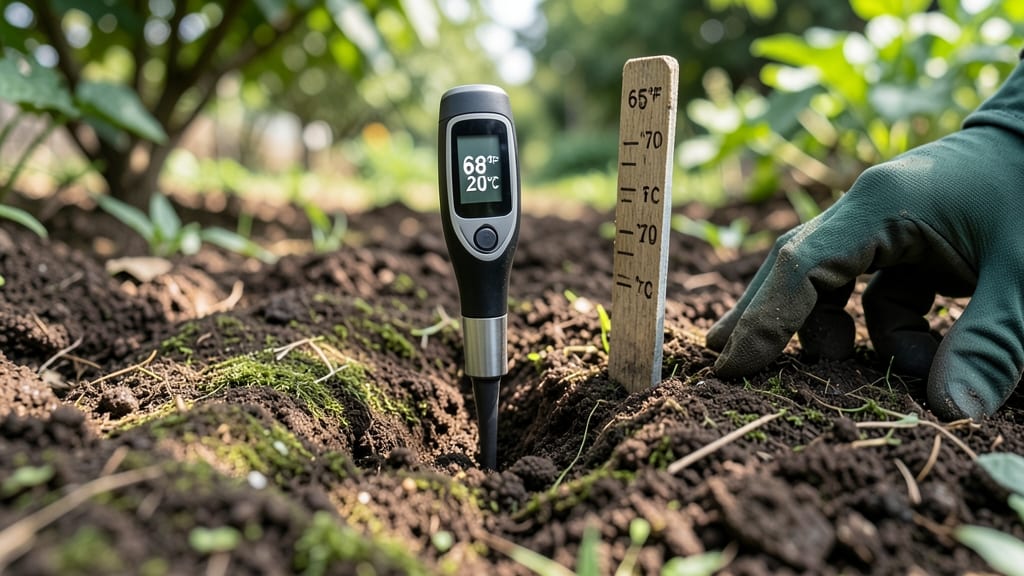
Green cast soil temperature occurs when soil reaches 35–45°F, signaling potential cold damage to plants by slowing root activity and inhibiting nutrient absorption, often visible as a bluish-green tint in moist conditions.
When soil temperature dips into this 35–45°F range, it’s not just about the chill—it’s about how cold disrupts the delicate balance of soil microbes and oxygen levels. 🌱 This greenish tint appears because cold slows down microbial activity, reducing decomposition and creating an environment where certain bacteria thrive, altering the soil’s natural color.
The real concern? Roots struggle to absorb nutrients efficiently, leaving plants vulnerable to stress or even death if temperatures stay low too long.
This phenomenon is especially critical for gardeners in transitional climates where sudden cold snaps can catch plants off guard. Understanding this green cast helps you act faster—whether by adjusting watering schedules or choosing cold-resistant varieties.
The key is recognizing that soil temperature isn’t just about the air above it; it’s about the hidden world beneath that directly impacts your plants’ health.
💡 In This Article
- Why Soil Turns Green in Cold Weather
- Preventing Cold Damage When Soil Shows a Green Cast
Why soil turns green in cold weather
The green cast in soil isn't just a visual quirk—it's a chemical reaction triggered by 35–45°F temperatures. When soil cools, microbial activity slows dramatically, particularly for decomposers like bacteria and fungi.
This creates an environment where certain cold-tolerant bacteria (like Pseudomonas species) thrive, producing pigments that give soil its bluish-green tint. These microbes release compounds that interact with iron in the soil, creating that distinctive hue.
Cold temperatures also reduce oxygen diffusion in saturated soil, creating anaerobic pockets where different microbial processes dominate. At these low temps, organic matter decomposes more slowly, allowing certain plant nutrients to remain bound rather than being converted into plant-available forms.
The green cast becomes most visible in moist conditions because water enhances light reflection, making the pigmentation more apparent. Think of it like how a wet sidewalk looks darker—except here, the color shift signals potential stress for your plants.
The real danger lies in how this affects root zones. When soil hits 40°F, root growth slows by up to 70% in many plant species. The green cast often appears first in areas with poor drainage or high organic content, where cold penetrates more deeply.
This is because organic matter holds moisture longer, creating microclimates that stay colder. For example, a garden bed with compost-rich soil may show green cast weeks before surrounding areas, giving you an early warning system.
What's particularly interesting is how this color change correlates with nutrient availability. Cold soil locks up phosphorus and nitrogen in forms that roots can't access easily. The green cast isn't just about temperature—it's a visual indicator that your plants are struggling to get the nutrients they need.
This is why you might see stunted growth or yellowing leaves even when the air temperature seems mild. The soil's hidden world is telling you something important about what's happening beneath the surface.
Consider this comparison: Healthy, warm soil (above 50°F) has active decomposition creating brown humus. But when it drops to 40°F, those decomposition processes stall, and the microbial community shifts dramatically.
The green cast becomes most pronounced in the top 2-3 inches of soil because that's where most root activity occurs—and where cold stress hits first. This is why early spring or late fall gardeners often notice the green tint before other visible signs of cold damage appear.
Here's what's happening at the molecular level: Cold temperatures reduce enzyme activity in soil microbes by up to 50%. These enzymes are crucial for breaking down complex organic compounds into simpler forms plants can use.
When they slow down, you get that greenish hue as different microbial byproducts accumulate. It's like your garden's digestive system hitting pause—and that's when plants start showing stress symptoms.
The good news? This green cast is reversible once temperatures rise. But recognizing it early gives you time to take protective measures before plant damage becomes visible.
Understanding this process helps you make smarter decisions about when to plant, how to protect vulnerable crops, and which areas of your garden need special attention during cold snaps. 🌱