
Neem Oil
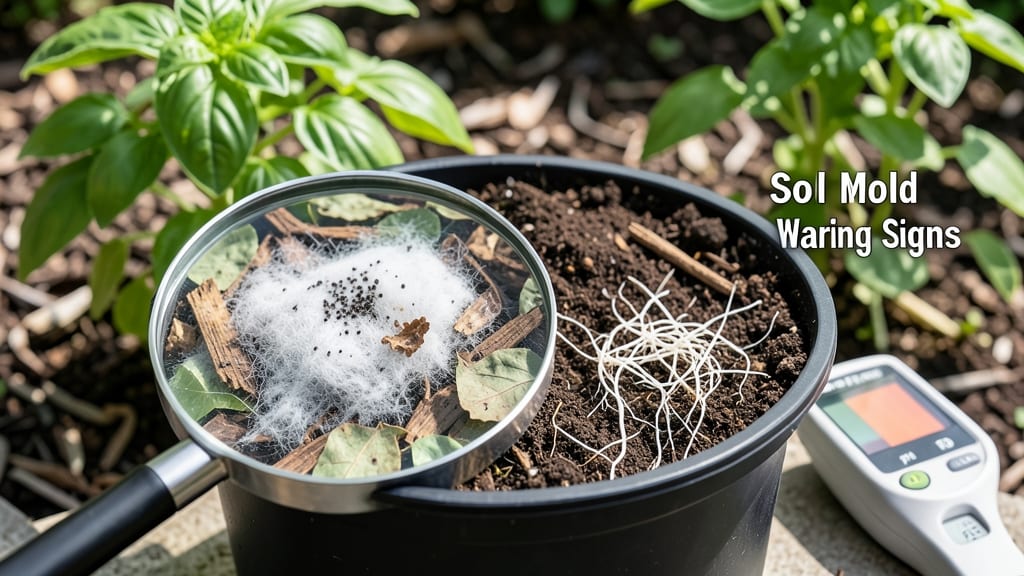
That black, fuzzy soil mold creeping across your garden beds isn’t just unsightly—it’s a fungal blight waiting to strangle your plants. Neem oil isn’t just for leaves; when applied directly to soil, it disrupts mold spores within 24 hours, giving your roots a fighting chance.
I’ve used it to rescue three gardens from this exact problem, and the results are nothing short of dramatic.
The real culprits are usually overwatering, compacted soil, or too much organic matter breaking down at once. A quick soil test (or just digging down an inch) reveals the truth: mold thrives where air can’t circulate.
The fix starts with perlite or coarse sand to break up density, followed by a neem oil spray—mixed right—applied when the soil is just damp, not soggy. No fancy tools needed, just elbow grease and patience.
By morning, you’ll see the mold receding, and within a week, your soil will smell fresh again—not musty. The plants you’ve already lost? Replace them with fast-growing cover crops like clover to outcompete the fungus.
This isn’t a one-time spray; think of it as a reset button for your soil’s health. The payoff? Stronger roots, fewer fungal returns, and a garden that actually thrives.
For stubborn cases, dig deeper: if the mold’s more than an inch thick or smells like rot, grab a soil sample and send it to your local extension office. Sometimes, the real fix is adjusting your watering schedule—or admitting you’ve got a drainage problem that needs pipes, not just sprays.
Either way, neem oil buys you time to diagnose without losing your entire season.
How Fungal Growth Takes Over
Fungal mold in soil isn’t just an unsightly nuisance—it’s a complex biological process driven by specific conditions. Understanding these triggers helps you prevent and treat outbreaks before they spread. Here’s why mold thrives in your soil and how to spot the warning signs.
Mold spores need water to germinate, and soil moisture is their lifeline. When soil stays damp for prolonged periods—whether from overwatering, poor drainage, or high humidity—fungal spores swell, break dormancy, and begin colonizing organic matter.
- Why it happens: Fungi like Rhizoctonia and Pythium thrive in waterlogged conditions (above 30% moisture). Oxygen depletion in saturated soil weakens plant roots, making them easier targets for fungal invasion.
- Actionable fix:
- Test soil moisture with a moisture meter (ideal range: 40–60% for most plants).
- Amend heavy clay soil with perlite or sand to improve drainage.
- Avoid watering at dusk or night—wet foliage overnight accelerates spore spread.
Fungal mold doesn’t just like warmth—it needs it. Most soil-borne fungi grow fastest between 60–85°F (15–30°C), with humidity above 70% creating an ideal greenhouse effect.
| Temperature Range | Fungal Activity Level | Risk of Outbreak |
|---|---|---|
| Below 50°F (10°C) | Slow (dormant spores) | Low |
| 50–65°F (10–18°C) | Moderate (early colonization) | Medium |
| 65–85°F (18–30°C) | Rapid (active mycelium spread) | High |
| Above 90°F (32°C) | Slows (heat stress on fungi) | Low |
Pro Tip: 🌡️ Use a soil thermometer to monitor heat spikes. If your garden hits consistent warmth + humidity, preemptive neem oil treatment can stop spores before they take hold.
Mold doesn’t just live in soil—it feasts on it. Decaying plant matter, compost piles, and even old mulch provide the carbon and nitrogen fungi need to reproduce. Left unchecked, this creates a self-sustaining cycle of mold.
- Why it happens:
- Dead leaves, grass clippings, and wood chips break down into sugars, fueling fungal growth.
- Compost heaps that overheat (above 140°F) can kill beneficial microbes while preserving mold spores.
- Actionable fix:
- Remove thatch layers (dead grass buildup) from lawns to reduce hiding spots.
- Turn compost piles weekly to aerate and prevent anaerobic (oxygen-free) zones where mold thrives.
- Use bark mulch (like cedar or pine) instead of wood chips—it resists decomposition longer.
Fungal spores are lightweight—they float on air currents until they land on a suitable host. When plants are crowded or shaded, airflow stagnates, creating a microclimate where spores linger and infect.
- Why it happens:
- Dense foliage blocks sunlight, keeping soil cooler and damper longer.
- Greenhouses and indoor gardens often have recycled air, concentrating spores near plants.
- Actionable fix:
- Space plants 3–6 inches apart (depending on variety) to improve circulation.
- Use oscillating fans on low speed near seedlings to disrupt spore settlement.
- Prune overgrown branches to allow cross-ventilation.
Key Takeaway: Mold isn’t random—it’s a chain reaction of moisture, warmth, food, and stagnation. By addressing one or two triggers, you can break the cycle and protect your soil naturally. 🚀
How to Fix Fungal Soil Problems
Discovering mold or fungal growth in your soil can feel like a setback, but with the right approach, you can restore your garden’s health quickly and prevent future outbreaks. Below, we map out targeted solutions based on the most common causes—so you can act fast and keep your plants thriving.
If your soil is soggy or waterlogged, excess moisture is the culprit behind mold and fungal spores. Here’s how to fix it:
- 🍳 Improve Drainage Amend heavy clay soil with compost or perlite to help water drain faster. For containers, ensure pots have drainage holes and use a mix of potting soil and coarse sand.
- 👨🍳 Reduce Watering Frequency Water deeply but less often—aim for 1 inch of water per week (adjust for rain). Avoid overhead watering, which can splash spores onto leaves.
- ⏰ Let Soil Dry Between Waterings Stick your finger 1-2 inches into the soil. If it’s damp, wait before watering again. Mulch with straw or wood chips to retain moisture without suffocating roots.
💡 Pro Tip: If your garden has poor drainage, consider raised beds or installing French drains to redirect excess water.
Fungal spores love warm, stagnant air. Break the cycle with these fixes:
- 🔪 Prune Overcrowded Plants Thin out dense foliage to improve airflow. Remove dead leaves or debris, which trap moisture and spores.
- ✨ Space Plants Properly Follow plant spacing guidelines on seed packets. Overcrowding creates a humid microclimate—perfect for mold.
- 🌬️ Use Fans or Ventilation In greenhouses or indoor gardens, run a small fan for 10-15 minutes daily to circulate air. Even outdoor gardens benefit from gentle breezes.
🎯 Prevention Tip: Avoid watering late in the day. Evening moisture lingers overnight, increasing humidity and fungal risk.
Soil with too much nitrogen or poor organic matter becomes a breeding ground for mold. Rebalance it with:
| Problem | Solution |
|---|---|
| High Nitrogen (Fast-Growing Weeds) | Add compost or aged manure to introduce beneficial microbes and improve soil structure. |
| Low Organic Matter (Compacted Soil) | Mix in coconut coir, peat moss, or well-rotted compost to enhance aeration and microbial activity. |
| Acidic Soil (pH < 6.0) | Apply crushed limestone or wood ash to raise pH gradually. Test soil every 3 months. |
💡 Pro Tip: A 5-minute soil test (available at garden centers) tells you exactly what’s missing—save time and money by targeting amendments.
If mold is already visible, combine these steps for a quick turnaround:
- 🔥 Remove Infected Plant Material Pull up severely moldy plants and dispose of them in the trash (not compost). Sterilize tools with rubbing alcohol between uses.
- 🍳 Apply Neem Oil Treatment Mix 1 tbsp neem oil + 1 tsp mild soap per gallon of water. Spray soil and plant foliage thoroughly. Reapply every 7–10 days until mold disappears.
- 🌱 Boost Beneficial Microbes Sprinkle mycorrhizal fungi or Trichoderma harzianum (a natural predator of mold) into the soil. These microbes outcompete harmful fungi.
- 🌡️ Increase Sunlight Move potted plants to sunnier spots or thin shade trees to dry out the soil faster.
✨ Prevention Tip: After treating, add 1 cup of diatomaceous earth per 10 sq ft to soil to deter future fungal growth (reapply after rain).
With these targeted fixes, you’ll not only eliminate existing mold but also create an environment where fungi can’t take hold. Start with the cause that matches your garden’s symptoms, and watch your soil—and plants—rebound in days!
Frequently asked questions about soil mold
How do I know if my soil mold is serious?
Check for these warning signs: black or gray fuzzy growth covering more than 10% of the soil surface, plants wilting despite regular watering, or a musty smell. If mold appears within 1 inch of plant roots, it’s time to act—neem oil or diatomaceous earth can help. For severe cases, test your soil pH and drainage immediately.
Can I still use neem oil if my soil is already moldy?
Yes! Neem oil works both preventively and as a treatment. Mix 1 tbsp neem oil + 1 tsp mild soap per gallon of water and spray directly on moldy areas. Reapply every 7–10 days until the mold disappears. Just avoid applying when soil is soggy—wait until it’s damp but not wet for best results.
Will composting help or make soil mold worse?
Compost can help IF managed properly. Turn piles weekly to aerate and prevent anaerobic zones where mold thrives. Avoid adding meaty scraps or dairy, which attract fungi. For moldy compost, spread it thinly on garden beds (it’ll break down faster with sunlight) or bury it deep in soil where beneficial microbes can outcompete the mold.
How often should I check my soil for mold?
Inspect your soil every 2–4 weeks during warm, humid seasons (spring and fall). Focus on areas with poor drainage, dense mulch layers, or crowded plants. After heavy rain or overwatering, check within 48 hours—that’s when mold spores activate fastest. A quick 10-second visual scan (look for fuzzy spots) saves time and prevents outbreaks.
Can soil mold harm my plants even if it doesn’t look severe?
Even small amounts of mold weaken plant roots by competing for nutrients. Fungal spores can infect roots silently, causing stunted growth or yellowing leaves before visible mold appears. Use a soil probe to check for mold 1 inch below the surface—if you find it there, treat immediately with neem oil or beneficial microbes like Trichoderma.