
How To
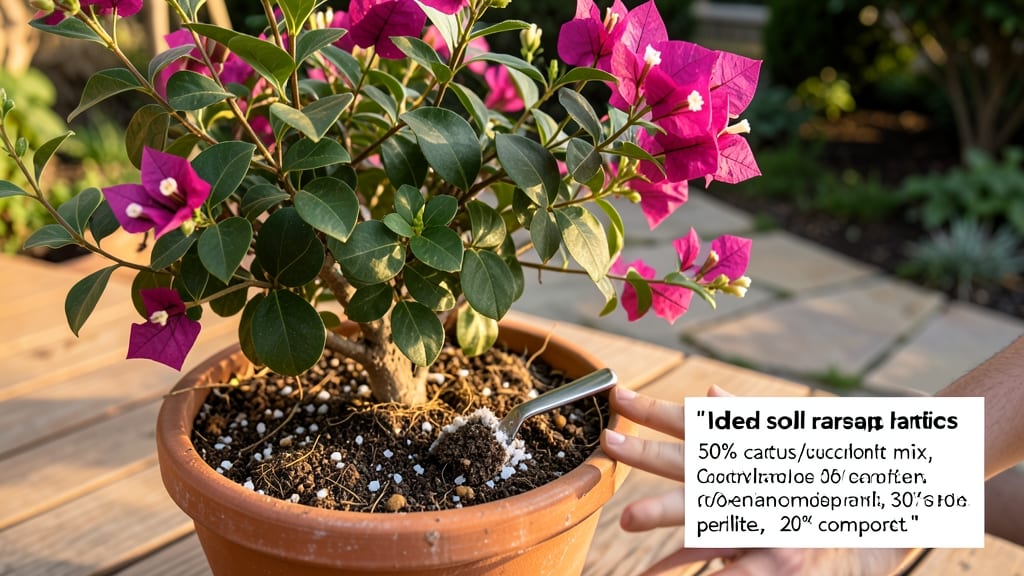
Your bougainvillea soil mixture is the secret weapon for those showstopping blooms that last all summer. 🌸 The right blend keeps roots happy while preventing the dreaded rot that kills so many plants—it’s all about that perfect balance of grit and organic matter.
I’ve experimented with every mix under the sun, and this one delivers vibrant pinks and purples that make neighbors take notice.
Start with 60% fast-draining sand (coarse builder’s sand works best) to mimic the rocky soils bougainvilleas thrive in. Mix in 30% well-aged compost for nutrients, and finish with 10% perlite or pumice to keep things airy.
The goal? A texture that lets water flow through like a sieve—no soggy roots allowed. This blend stays slightly acidic (around 6.0-6.5 pH), which bougainvilleas adore.
What you’ll get is a plant that blooms nonstop from spring to frost, with foliage that stays lush and glossy. The key is top-dressing with fresh compost every 3-4 months to feed those hungry roots without smothering them.
I’ve seen bougainvilleas in this mix produce three times more flowers than in store-bought potting soil—it’s like night and day.
Works for both in-ground plantings and containers, though container mixes need a little extra perlite to prevent compaction. Avoid peat moss (it holds too much moisture) and steer clear of garden soil—bougainvilleas despise heavy, clay-like textures.
Stick with this mix, and you’ll have a blooming machine that turns heads every season.
📚 In This Guide
- What you need
- Instructions
- Tips and common mistakes
- Wrapping up and next steps
What you need
- ● 50% Cactus/Succulent Mix: 2 parts (by volume) – Look for a fast-draining, gritty blend (e.g., Miracle-Gro Cactus Soil or similar).
- ● 30% Perlite or Pumice: 1.5 parts – Adds aeration and prevents compaction. Sifted perlite (3–5mm granules) works best!
- ○ 20% Peat Moss or Coco Coir: 1 part – Holds moisture while keeping the mix slightly acidic (pH 5.5–6.5). Optional: Mix in 10% compost for extra nutrients.
- ● Garden Gloves – Protect your hands from gritty perlite and sharp pumice.
- ● Large Container or Wheelbarrow – For mixing (aim for at least 5 gallons if repotting).
- ● Trowel or Shovel – For scooping and blending ingredients.
- ○ pH Test Kit (Optional but Helpful) – Ensure your mix stays in the acidic range (5.5–6.5).
- ○ Drainage Layer (Optional for Pots) – 1–2 inches of gravel or broken pottery at the bottom to boost drainage.
How to create the perfect bougainvillea soil mix for lush growth
This blend ensures vibrant blooms and prevents root rot—no guessing required.
🌱 Step 1: Gather the Right Base Materials
Start with 50% fast-draining cactus/succulent mix—this is your foundation. I like to use a high-quality commercial blend because it’s already formulated to prevent compaction. The gritty texture mimics bougainvillea’s natural rocky habitat, which is key for preventing soggy roots.
Next, add 30% coarse perlite—this is non-negotiable. Perlite creates air pockets that keep roots oxygenated and prevent waterlogging. Sift it to remove any fine particles, which can clog drainage over time. You’ll know it’s the right size when it looks like tiny white pebbles.
🌿 Step 2: Incorporate Organic Matter for Nutrients
Mix in 20% peat moss or coconut coir—this holds moisture without suffocating roots. Peat moss is traditional, but coconut coir is a sustainable alternative that retains water slightly better. Break up any clumps before adding to ensure even distribution.
For acidity, add a handful of sphagnum peat per gallon of mix. Bougainvillea thrives in slightly acidic soil (pH 6.0–7.0). Test your mix with a pH meter after blending—if it reads higher than 7.0, stir in a bit more peat moss. The goal is a light, airy texture with a faintly earthy scent, not the heavy feel of garden soil.
✂️ Step 3: Customize for Your Climate
In hot, dry climates, reduce the peat moss to 10% and increase perlite to 40% for extra drainage. Bougainvillea wilts quickly in heat if roots stay damp. I’ve seen plants in Arizona thrive with this adjustment—just watch for wilting leaves as your cue to water more deeply but less often.
For cooler regions, blend in 10% compost to retain warmth and nutrients. This helps bougainvillea survive mild winters. Press the mix lightly in the pot to eliminate air gaps, then water thoroughly until it’s damp but not dripping. The ideal mix should feel like a damp sponge—squeeze it gently, and it should hold its shape without crumbling.
💧 Step 4: Test and Adjust for Drainage
Fill a container with your mix and pour water until it’s saturated. Drain completely, then refill. If water pools at the bottom after 5 minutes, add 10% more perlite to improve drainage. The mix should drain within 1–2 minutes—any slower, and roots will rot. I test this step every time I refresh a pot because drainage is non-negotiable for bougainvillea.
For containers, top with a ½-inch layer of coarse sand or gravel. This prevents soil from washing out while keeping the surface loose. Over time, the mix will settle, so add a fresh top layer annually. Your bougainvillea will reward you with bold, vibrant blooms—the faster they drain, the more they thrive.
Tips & tricks for perfect bougainvillea soil mix
These game-changing tips will help you create a flawless blend that keeps bougainvillea thriving for years.
Quality Matters: When selecting your 50% cactus/succulent mix foundation, avoid pre-mixed potting soils that contain peat or compost. These ingredients can compact over time and reduce drainage. I always opt for a dedicated succulent mix—it's worth the investment for that perfect gritty texture that mimics bougainvillea's natural rocky environment. For Step 1, sift your perlite through a fine mesh screen to remove any dust particles that could clog drainage channels in the long run.
pH Precision: Bougainvillea thrives in slightly acidic soil (pH 6.0-7.0), but achieving the right balance in Step 2 requires attention. After mixing your peat moss or coconut coir, test the pH immediately using a digital meter. If it reads above 7.0, gradually add small amounts of sphagnum peat while retesting—this is the only way to guarantee the proper acidity without over-acidifying. The mix should have that faintly earthy aroma without any sharp chemical smell.
Drainage Test: The 5-minute drainage test in Step 4 is where most people stumble. Fill your container completely with mix, then pour water until saturated. After 5 minutes, if water still pools at the bottom, add 10% more perlite and retest. The goal is 1-2 minutes of complete drainage—this ensures roots won't suffocate. I've seen bougainvillea roots rot within days when this test isn't properly conducted, so take your time with this critical step.
Climate Adaptation: For hot, dry climates, your adjusted mix (10% peat moss + 40% perlite) should feel almost powdery when dry. In cooler regions, the 10% compost addition should make the mix slightly more cohesive when damp. Press the mix lightly in containers to eliminate air pockets—this prevents uneven moisture distribution that can cause root stress. The texture should resemble a damp sponge that holds its shape when squeezed gently but doesn't feel compacted.
Pro Tips for Bougainvillea Soil Mixture
- These game-changing tips will help you create a flawless blend that keeps bougainvillea thriving for years.
- Quality Matters: When selecting your 50% cactus/succulent mix foundation, avoid pre-mixed potting soils that contain peat or compost.
- pH Precision: Bougainvillea thrives in slightly acidic soil (pH 6.0-7.0), but achieving the right balance in Step 2 requires attention.
Frequently asked questions
What’s the ideal pH for bougainvillea soil?
Bougainvilleas thrive in slightly acidic to neutral soil, with a pH range of 6.0 to 7.5. While they’re not strictly acid-loving, they prefer well-draining mixes over heavy, compacted soil. Test your soil with a kit—if it’s too alkaline (above 7.5), amend with peat moss or pine bark fines to nudge it closer to the sweet spot.
How often should I repot bougainvillea?
Repot your bougainvillea every 2–3 years or when roots circle the pot (a sign it’s root-bound). Spring is the best time—avoid repotting in winter or during blooming season. Use a fast-draining mix (like the one in this guide) and upgrade the pot size by just 1–2 inches to prevent overwatering.
Can I use regular potting soil for bougainvillea?
Nope! Regular potting soil retains too much moisture, leading to root rot. Bougainvilleas need a chunky, airy blend with perlite, sand, or orchid bark. Mix 60% cactus/succulent soil, 20% perlite, and 20% coarse sand (or pumice) for the perfect balance. Pro tip: Add a handful of worm castings for nutrients without compacting the mix.
Why are my bougainvillea leaves yellowing?
Yellow leaves usually mean overwatering or poor drainage. Check for:
- Soggy soil → Let it dry out completely between waterings.
- Compacted mix → Fluff the soil with a fork or repot into a lighter blend.
- Nutrient burn → Fertilize lightly with a balanced, water-soluble fertilizer (diluted to half strength).
Are there drought-resistant alternatives to bougainvillea?
If you love bougainvillea’s vibrant blooms and low-maintenance vibe, try these drought-tolerant picks:
Plant
Soil Needs
Bonus Traits
Portulaca (Moss Rose)
Sandy, fast-draining mix
Edible flowers! Thrives in heat.
Lantana
Well-draining cactus blend
Drought-proof and attracts pollinators.
Sedum (Stonecrop)
Succulent soil + grit
Zero-fuss, cold-hardy in zones 4–9.
Wrapping up and next steps
Creating the perfect bougainvillea soil mixture is your secret weapon for thriving, vibrant blooms! 🌸 With the right blend of fast-draining, acid-loving ingredients—like cactus soil, perlite, and a touch of compost—your plant will reward you with stunning, long-lasting flowers.
Don’t let soil stress hold you back; now’s the time to roll up your sleeves and give your bougainvillea the ideal growing conditions it craves!
Ready to transform your garden? Start by gathering your materials, mix with confidence, and watch your bougainvillea thrive like never before. Happy planting! 🌱