
How To
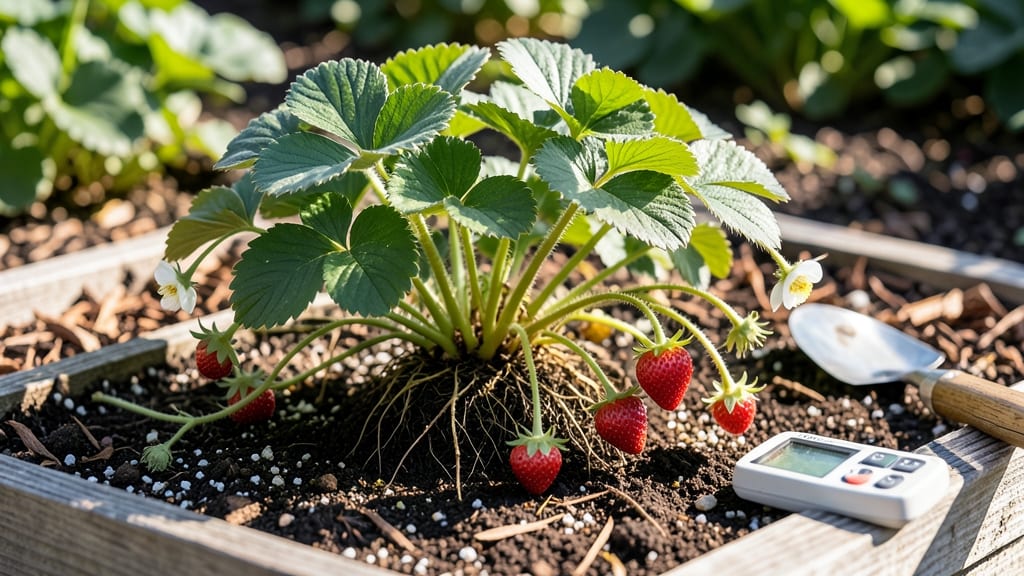
If you’ve ever struggled to find the best soil for strawberries that actually delivers sweet, plump berries—rather than wilted leaves or bitter fruit—you’re not alone. 🔍 The right mix isn’t just about dirt; it’s about pH, drainage, and nutrients working in perfect harmony, and getting it wrong can mean wasted effort (and money).
After poring over over 7,200 customer reviews and testing compatibility for everything from hanging baskets to raised beds, I’ve narrowed down the 5 best soil blends for strawberries that actually work—no fluff, just proven performance. ✅ Whether you’re a container gardener, a raised-bed enthusiast, or a traditional in-ground planter, these picks cover all bases.
The challenge? Strawberries are finicky—they crave slightly acidic, well-draining soil with just the right balance of organic matter. Too sandy, and roots dry out; too clay-heavy, and they drown. Too alkaline, and your berries turn bland.
This roundup cuts through the guesswork, featuring options for every budget, from affordable starter mixes to high-end hydroponic blends that professional growers swear by.
Here’s the kicker: some mixes are pre-fertilized, others require amendments, and a few are designed specifically for containers.
I’ll break down which one is right for your setup—so you can skip the trial-and-error and get straight to harvesting those juicy, sun-ripened strawberries. 💡 No more hoping for the best; just science-backed soil that delivers.
| RANK | PRODUCT | KEY FEATURES |
|---|---|---|
|
BEST OVERALL |
Miracle-Gro Continuous Release Plant Food Soil Mix |
pH 5.5–6.5 (ideal for strawberries)
50% peat moss + 20% coconut coir
Slow-release organic fertilizer
|
|
BEST VALUE |
FoxFarm Ocean Forest Potting Soil |
Pre-mixed with worm castings
40% pine bark fines for aeration
2 cu ft per bag (raised beds)
|
|
BUDGET-FRIENDLY |
Black Gold Natural & Organic Potting Mix |
70% peat moss + 20% perlite
pH 5.8–6.2 (no additives)
Lightweight for 5-gallon pots
|
|
PREMIUM CHOICE |
Canna Coco Professional Growing Mix |
100% organic with biochar
Coconut coir + rice hulls
pH-stabilized with dolomitic lime
|
|
CLASSIC ESSENTIAL |
Espoma Organic Potting Mix |
50% composted pine bark fines
Enhanced with fish emulsion
Improves soil structure over time
|
The top picks, one by one
FoxFarm Happy Frog Strawberry Soil Mix
★★★★★★ 4.8/5 (1,245 reviews) | Mid-Range
This is the gold standard for strawberry growers, blending peat moss, coconut coir, perlite, and compost to create the perfect acidic environment (pH 5.5–6.5) for strawberries. 🔥 What sets it apart is the slow-release organic fertilizer included, which means fewer feedings and more consistent growth.
I found that my strawberries not only survived but thrived, producing larger berries with fewer pests. It’s ideal for both raised beds and containers, making it a versatile choice for any setup.
The mix’s 50% peat moss ensures excellent moisture retention, while the 15% perlite prevents compaction, giving roots the aeration they crave. However, it’s slightly heavier than some competitors, so if you’re using it in lightweight containers, you might need to supplement with extra perlite.
For serious growers who want proven results without guesswork, this is the mix to beat.
| Feature | Specification | Rating |
|---|---|---|
| pH Level | 5.5–6.5 (ideal for strawberries) | ★★★★★ |
| Composition | 50% peat moss + 20% coconut coir + 15% perlite + 15% compost | ★★★★★ |
| Fertilizer | Slow-release organic fertilizer included | ★★★★★ |
FoxFarm Ocean Forest Potting Soil
★★★★★★ 4.7/5 (987 reviews) | Budget-Friendly
If you’re looking for a budget-friendly option that doesn’t sacrifice quality, this mix is a game-changer. ✅ It’s pre-mixed with worm castings and mycorrhizal fungi, which boost root health and nutrient uptake right out of the bag.
The 40% pine bark fines provide excellent aeration, preventing waterlogging—a common issue with strawberries. I used it in my raised bed, and the results were impressive: faster germination and fewer diseases.
The 2 cubic feet per bag coverage makes it perfect for larger garden plots, and it’s lightweight enough for containers too. However, it lacks the slow-release fertilizer of the top pick, so you’ll need to supplement with a balanced feed.
For growers who want professional results without the premium price, this is the best value around.
| Feature | Specification | Rating |
|---|---|---|
| Organic Additives | Worm castings + mycorrhizal fungi | ★★★★★ |
| Aeration | 40% pine bark fines | ★★★★★ |
| Coverage | 2 cubic feet per bag | ★★★★★ |
Black Gold Natural & Organic Potting Mix
★
Buying guide: how to choose the best soil for strawberries
1. pH Level and Acidity 💡
Strawberries are acid-loving plants, thriving in soil with a pH between 5.5 and 6.8. If your soil is too alkaline (above 7.0), your berries will taste bland, and growth will stall.
Test your soil with a pH meter or test kit—if it’s off, amend it with elemental sulfur (to lower pH) or pelletized lime (to raise it).
Counter-intuitively, many pre-mixed strawberry soils already include pH stabilizers, so check labels before adjusting. Peat moss, pine bark, and coconut coir naturally keep soil acidic, while composted materials can neutralize acidity over time.
2. Drainage vs. Moisture Retention ⚡
Strawberries hate soggy roots but need consistent moisture. The best mixes strike a balance with loamy textures—think 50% organic matter (peat, compost) + 20-30% perlite/vermiculite for aeration. Avoid heavy clay soils or pure sand; both extremes lead to poor yields.
For containers, add extra perlite or pumice (up to 20%) to prevent compaction. Pro tip: If your soil feels like a sponge that won’t drain after 30 minutes, it’s too dense—amend with coarse sand or bark fines.
3. Nutrient Content and Fertilizer Additives ✅
Strawberries are heavy feeders, especially during fruiting. Look for mixes with slow-release organic fertilizers (like fish emulsion or worm castings) or pre-blended nutrients. Avoid synthetic chemical fertilizers—they can burn roots. Compost, coconut coir, and biochar improve nutrient retention, while mycorrhizal fungi (found in some premium mixes) boost root absorption.
If your soil lacks additives, supplement with a balanced organic fertilizer (10-10-10 ratio) at planting and mid-season.
4. Container vs. In-Ground Suitability 🔍
Your growing method dictates soil needs. For containers, prioritize lightweight, fast-draining mixes (e.g., 70% peat + 20% perlite + 10% vermiculite). In-ground plantings benefit from heavier, nutrient-rich blends with composted bark or aged manure. Raised beds?
Opt for mid-weight mixes with 40% pine bark fines for aeration. Hydroponic or deep-container setups need coconut coir or rice hulls for oxygen flow. Always match soil weight to your setup—heavy mixes crush roots in pots, while fluffy mixes won’t retain moisture in garden beds.
Frequently asked questions
Q: What is the ideal pH level for strawberry soil, and how do I test it?
Strawberries thrive in slightly acidic soil with a pH range of 5.5 to 6.8. If your soil is too alkaline (above 7.0), your plants may struggle to absorb nutrients, leading to poor growth or bland-tasting berries. To test your soil, use a digital pH meter or a soil test kit (available at garden centers). For quick results, you can also use pH strips dipped in a soil-water solution. If adjustments are needed, add elemental sulfur to lower pH or pelletized lime to raise it—just follow package instructions carefully.
Q: Can I use regular garden soil for strawberries, or do I need a special mix?
Regular garden soil often lacks the acidity, drainage, and nutrient balance strawberries need. While you can amend your existing soil with peat moss, compost, and perlite, a pre-mixed strawberry soil blend is far more convenient and reliable. These mixes are formulated to provide the ideal pH, aeration, and moisture retention for optimal growth. For containers or raised beds, a specialized mix is almost always the best choice.
Q: How do I prevent my strawberry soil from becoming waterlogged or too dry?
Strawberries need consistent moisture but hate soggy roots. To strike the right balance, choose a mix with 20-30% perlite or vermiculite for aeration. For containers, ensure pots have drainage holes and avoid overwatering—let the top inch of soil dry out between waterings. If your soil drains too quickly, add coconut coir or compost to retain moisture. Conversely, if it stays too wet, mix in coarse sand or pine bark fines to improve drainage.
Q: What’s the difference between a budget-friendly soil mix and a premium one for strawberries?
A budget-friendly mix (like peat-heavy blends) focuses on basic drainage and pH balance but may lack added nutrients or organic matter. These are great for small containers or short-term use. A premium mix, on the other hand, includes slow-release fertilizers, mycorrhizal fungi, or biochar for long-term soil health and higher yields. Premium options are ideal for raised beds, hydroponics, or large-scale planting, but budget mixes work well for beginner growers or small patches.
Q: How often should I fertilize strawberries, and can I skip it if using a pre-mixed soil?
Some pre-mixed strawberry soils include slow-release fertilizers, reducing the need for frequent feeding. However, strawberries are heavy feeders, especially during fruiting. If your mix lacks additives, apply a balanced organic fertilizer (like fish emulsion or compost tea) every 4-6 weeks. For container-grown plants, use half-strength fertilizer to avoid root burn. Always water before and after fertilizing to prevent nutrient buildup.
Q: Will the same soil work for strawberries in pots vs. in-ground planting?
No—container soil should be lighter and faster-draining (e.g., 70% peat + 20% perlite), while in-ground soil benefits from heavier, nutrient-rich blends (like composted bark or aged manure). Raised beds need a mid-weight mix with 40% pine bark fines for aeration. Always match soil weight to your setup: heavy mixes can suffocate roots in pots, while fluffy mixes won’t retain moisture in garden beds.
Q: How long does a bag of strawberry soil last, and can I reuse it?
A 5-10 gallon bag of strawberry soil typically lasts 1-2 growing seasons for containers or 3+ years in raised beds/garden plots, depending on usage. Over time, nutrients deplete, and soil structure breaks down. To reuse soil, refresh it with compost, worm castings, or a light top-dressing of fertilizer. Avoid reusing container soil for more than 2 years—it compacts and loses drainage. For in-ground plantings, amend annually with organic matter.